
About This Report
Disability Rights North Carolina (DRNC) is North Carolina’s Protection and Advocacy (P&A) organization, charged with advocating for people with disabilities. By federal law, DRNC is empowered to monitor any setting where people with disabilities live or receive services to ensure their rights are protected and, where necessary, investigate and take action to end and prevent abuse or neglect of disabled people.
Between July 2024 and August 2025, DRNC visited every juvenile detention center (JDC) in North Carolina at least once; six facilities were visited more than once. During this monitoring period, 14 juvenile detention centers were operational; one has now ceased operation as a result of DRNC’s important work.
The North Carolina Department of Public Safety’s Division of Juvenile Justice and Delinquency Prevention (DJJDP) operates 10 JDCs across the state. Two of these 10 are housed on a campus with a Youth Development Center (YDC): Cabarrus Regional JDC and Rockingham JDC. Three additional JDCs are operated by counties that contract with DJJDP to house youth in the justice system: Brunswick County Juvenile Detention Center, Durham County Youth Home, and Guilford County Juvenile Detention Center. A fourth county-operated JDC, Madison County JDC, closed in January 2025 following a formal investigation that substantiated abuse and neglect of the youth which DRNC uncovered while monitoring there.
County-operated JDCs are required by contract to follow all DJJDP policies and procedures concerning confinement of youth. These contracts are meant to be enforced through DJJDP monitoring. This report will show that significant differences exist among all DJJDP- and county-operated JDCs.
This report concerns the 13 currently operating juvenile detention centers. DRNC has published a separate report, “No Place for Kids,” about the now-closed Madison County JDC.
DRNC gave facility leadership advance notice of each visit discussed in this report. We spoke with any youth who wished to speak with us in the facilities. Between July 2024 and August 2025, DRNC conducted 398 individual interviews with youth about the conditions in the JDCs. These interviews were conducted with federally–mandated P&A confidentiality protections in place.
Our interviews with the youth and DRNC’s observations form the primary sources of data for this report. Following every completed monitoring visit, DRNC held debrief meetings concerning our monitoring findings with the leadership of each facility, and with DJJDP leadership for the state-operated facilities. Individual-level youth concerns were shared only with youth consent. DRNC also provided written debrief memos to facility leadership and DJJDP leadership after our completed monitoring visits.
This report emphasizes DRNC’s findings from this significant monitoring effort. We extend our gratitude to every young person who agreed to be interviewed. We thank the youth for sharing their honest, first-hand accounts of daily life in these facilities.
Why Juvenile Detention Center Conditions Matter
North Carolina’s JDCs frequently hold youth for weeks or months. The facilities were designed to temporarily hold youth awaiting resolution of their cases, or transfer to another facility or placement. However, due to increasing numbers of juvenile petitions, together with lengthy delays in some county court systems and a 2020 change in state law that requires youth charged as adults to be held in JDCs until the charges are adjudicated in adult court, juveniles are staying in JDCs much longer than in years past. In 2024, the average stay in a JDC was 39 days (and an average of 200 days for youth transferred to adult court), more than twice as long as the average of 15 days in 2015.
To prevent recidivism and improve outcomes, JDCs must give youth the opportunity to gain the skills necessary for successful re-entry into their communities. This keeps our communities safer. The areas DRNC focused on for this report are those in which youth most require opportunities for rehabilitation and success: time in cell versus out of cell, discipline practices, education, recreation, medical and mental health care, family contact, and nutrition.
North Carolina’s juvenile justice system remains far better equipped to meet the needs of youth, with a greater emphasis on education, programming, and mental health support, than adult facilities. DRNC issues this report with a desire to improve the state’s juvenile justice system – building on strengths and remedying areas of need — so justice-involved youth in our state can access services and programs that lead to them becoming successful adults. DRNC makes recommendations concerning the state’s JDCs with a view toward advocating for NC’s juvenile justice system to become truly and consistently rehabilitative, and a model for other states.
Why are Youth in JDCs?
Youth are detained in the state’s juvenile detention centers pending adjudication and disposition in juvenile court, conviction and sentencing in adult court, or awaiting other placements, such as a group home or psychiatric residential treatment facility (PRTF). In 2024, the ages of youth admitted to JDCs ranged from 11 to 20, with the vast majority of admitted youth being between the ages of 13 and 17. JDCs are different than the Youth Development Centers (YDCs) that DJJDP operates; JDCs serve pre-disposition youth, whereas YDCs serve post-disposition youth in the juvenile justice system who have been committed to the Division. In 2025, DJJDP reported that a wide range of programming for youth occurs in the YDCs. In DRNC’s monitoring, DRNC noted that several of the JDCs have fewer formal programming opportunities than was reported for the YDCs.
This report is focused on DRNC’s experience monitoring in JDCs. However, it is important to note that DRNC emphasizes the urgent need for additional State investments in community-based services that can prevent the need for placements in locked institutional settings – including DJJDP facilities – and help youth stay in their communities.
William Lassiter, NC’s Deputy Secretary for Juvenile Justice and Delinquency Prevention, told WRAL in January that community-based alternatives are effective, and need more funding. “We find that kids we reach early with prevention, trying to keep them out of confinement, actually are more effective,” he said. “We’re recommending, and it was included in the governor’s budget, $10 million for additional community-based violence prevention programming across the state.”
NC’s JDCs by the Numbers
In 2025, there were 2,876 youth admissions to JDCs in North Carolina, representing 2,186 individual young people. Nationally, up to 70 percent of youth in the juvenile justice system have a disability. In North Carolina, data show that 97.7% of youth in Youth Development Centers (YDCs) have at least one mental health diagnosis. Since youth in YDCs have been transferred there from JDCs, it is highly likely that many, if not most, of the youth in JDCs have at least one mental health diagnosis. Black youth are placed in North Carolina’s JDCs at disproportionately high rates.
DRNC Findings
DRNC found significant variation in the conditions at North Carolina’s JDCs. This variation spanned from time confined to one’s cell, discipline practices, education access, recreation time, access to medical and mental health services, family contact, to food quality and quantity. There may be other disparities that are not the focus of this report.
Some facilities had a positive atmosphere, and youth expressed positive feelings about the support they received there. Youth in other facilities expressed a range of concerns, including reports about shocking conditions, including the use of solitary confinement and other harmful interventions. Some facilities showed variable improvement and/or regression during the months through which DRNC monitored. Stories of improvement and positive practices are highlighted in this report, as well as areas of grave concern in need of the most urgent improvement.
This report also emphasizes recommendations for DJJDP to develop all the state’s JDCs into youth-centered, public safety-enhancing, trauma-responsive, and reentry-focused spaces.
Physical Condition and Layout of the Facilities
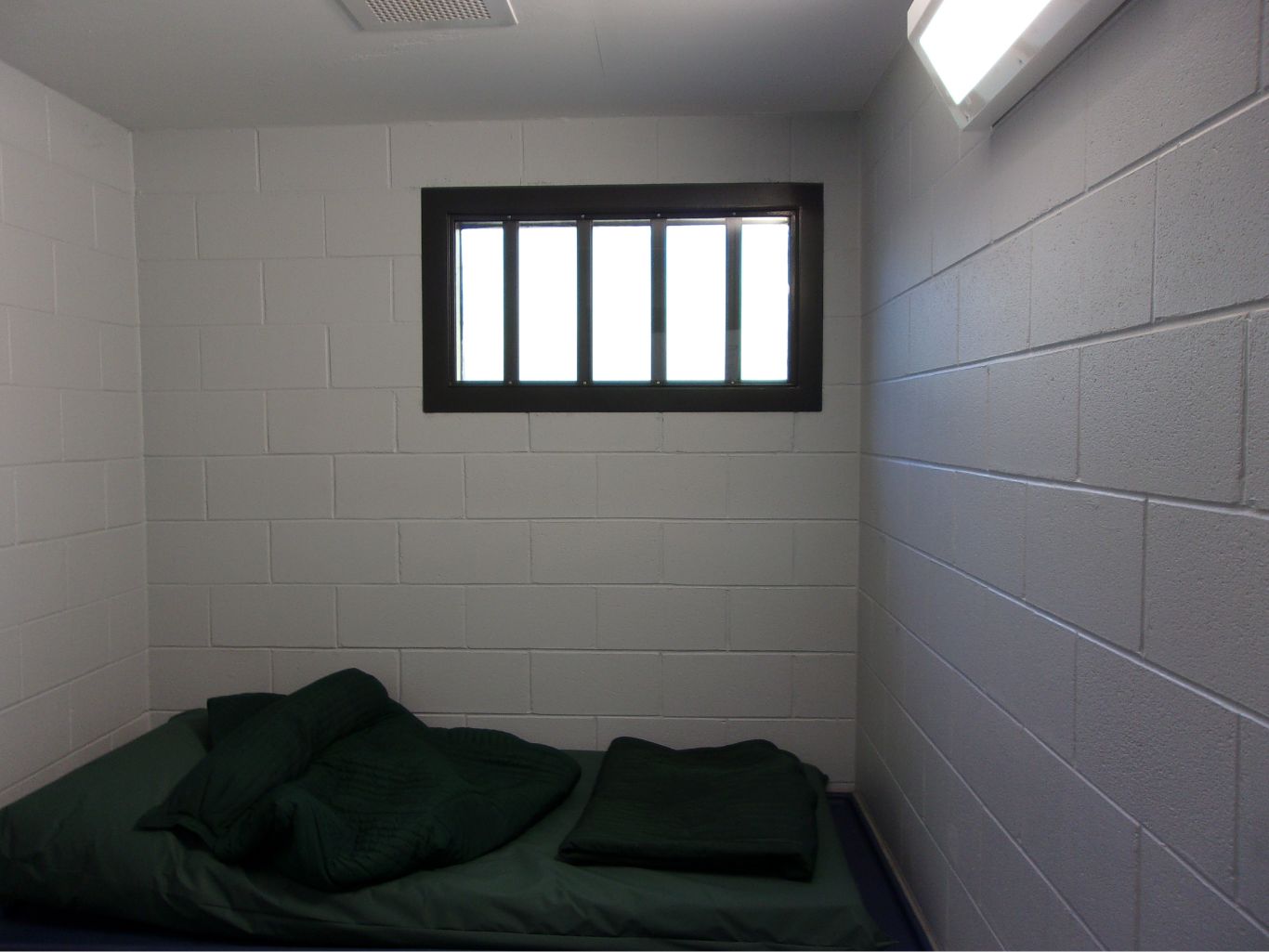
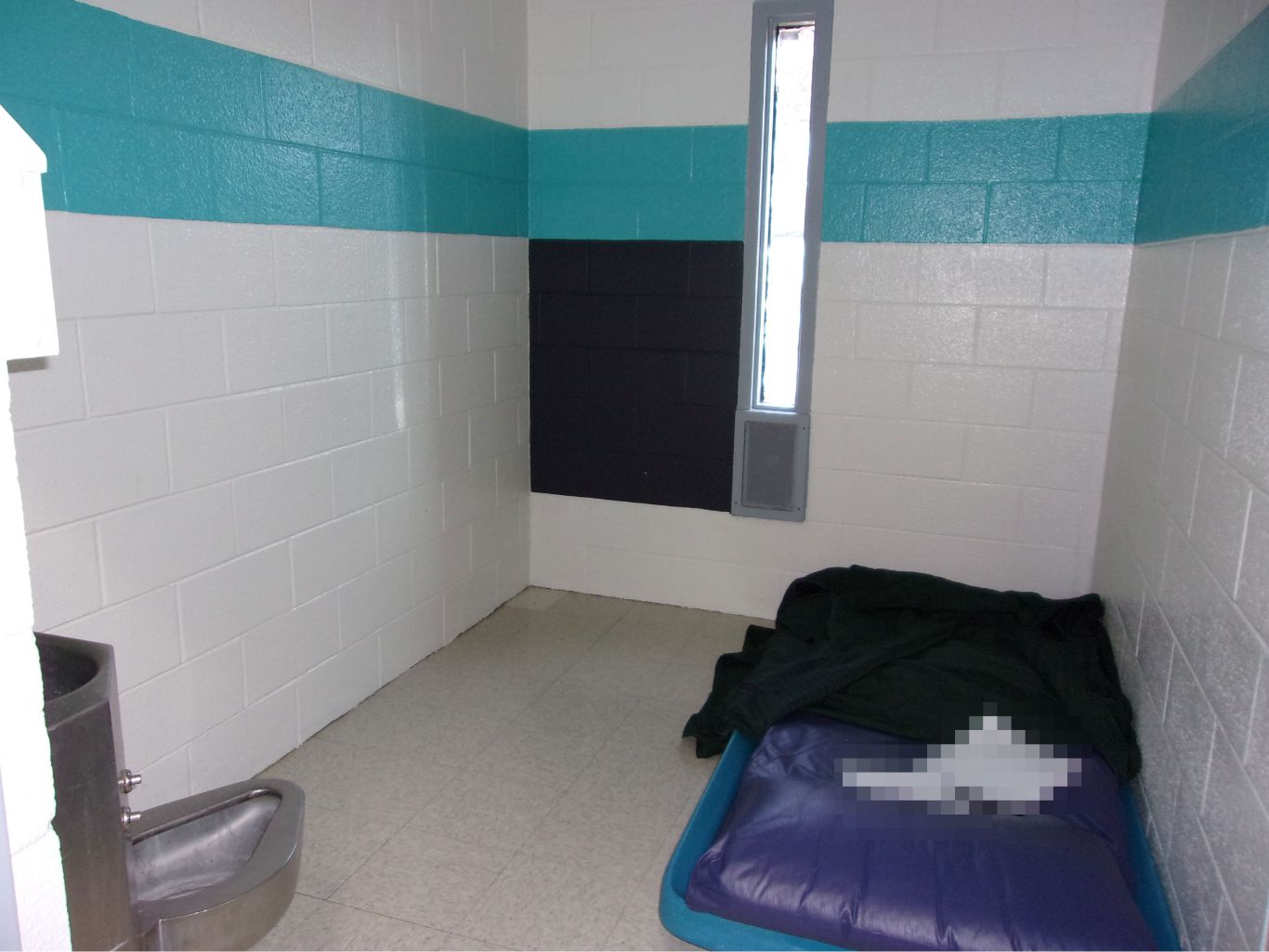
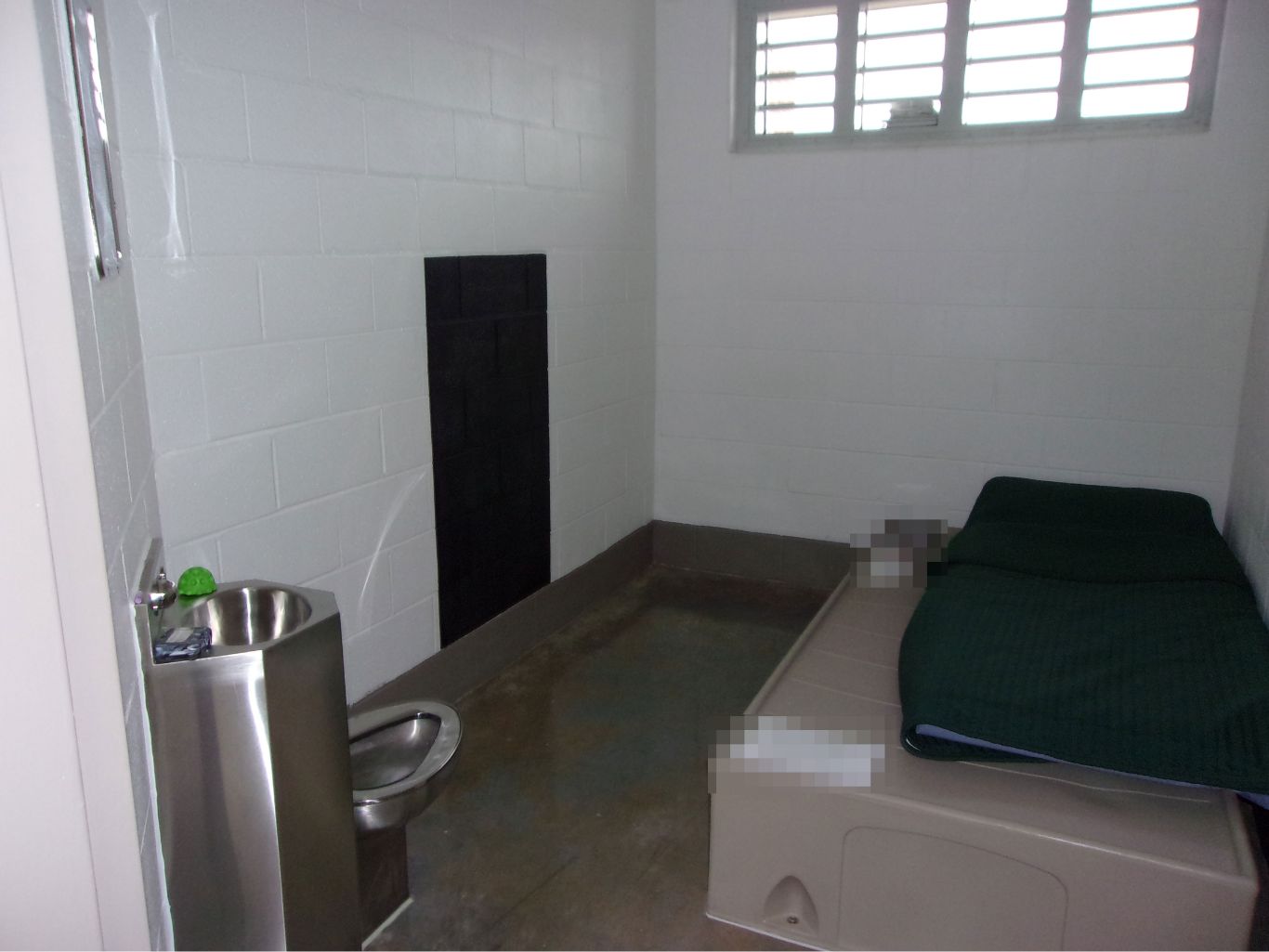
The physical condition of North Carolina’s JDCs varies, ranging from newer-built facilities with substantial natural light – such as Durham County Youth Home – to older facilities with cleanliness concerns, including mold and neglected maintenance.
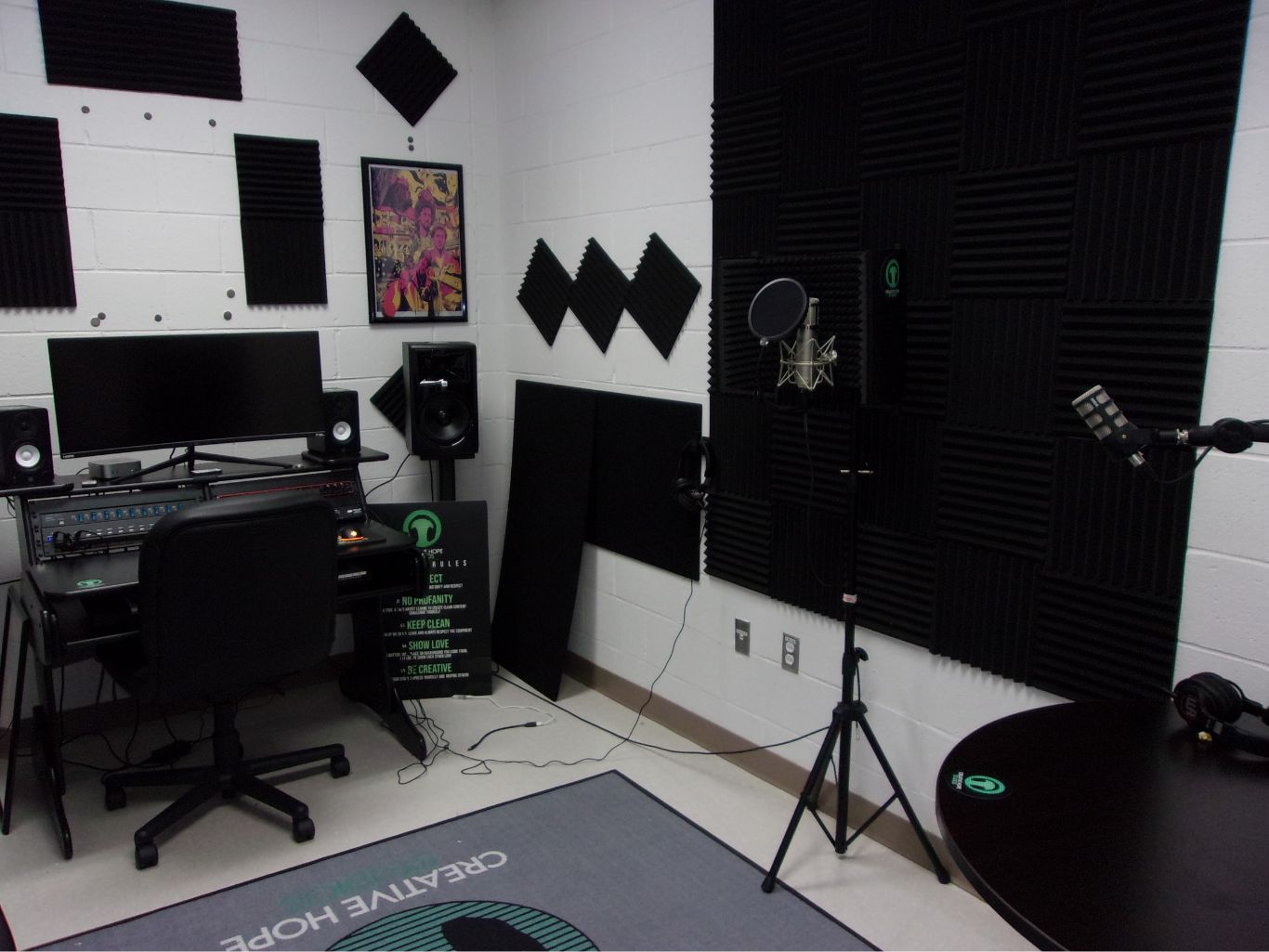
Rockingham JDC, for example, opened in 2024 as a YDC that also includes JDC pods, whereas Cumberland Regional JDC (Cumberland JDC) opened nearly 50 years ago in 1978. Some facilities had specific amenities, such as music studios at Wake Regional JDC (Wake JDC) and Rockingham JDC and an outdoor-area-turned-garden at Cumberland JDC.
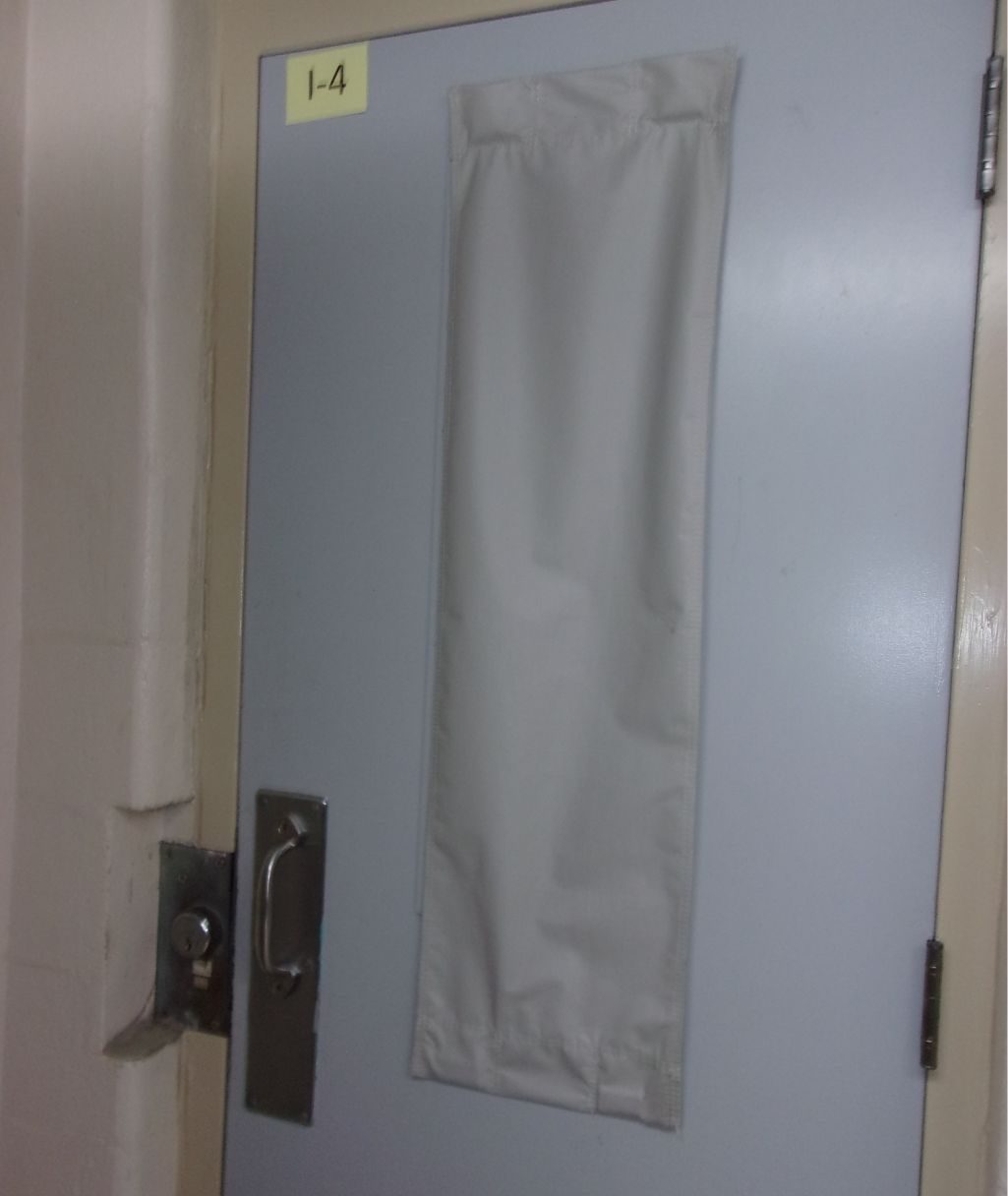
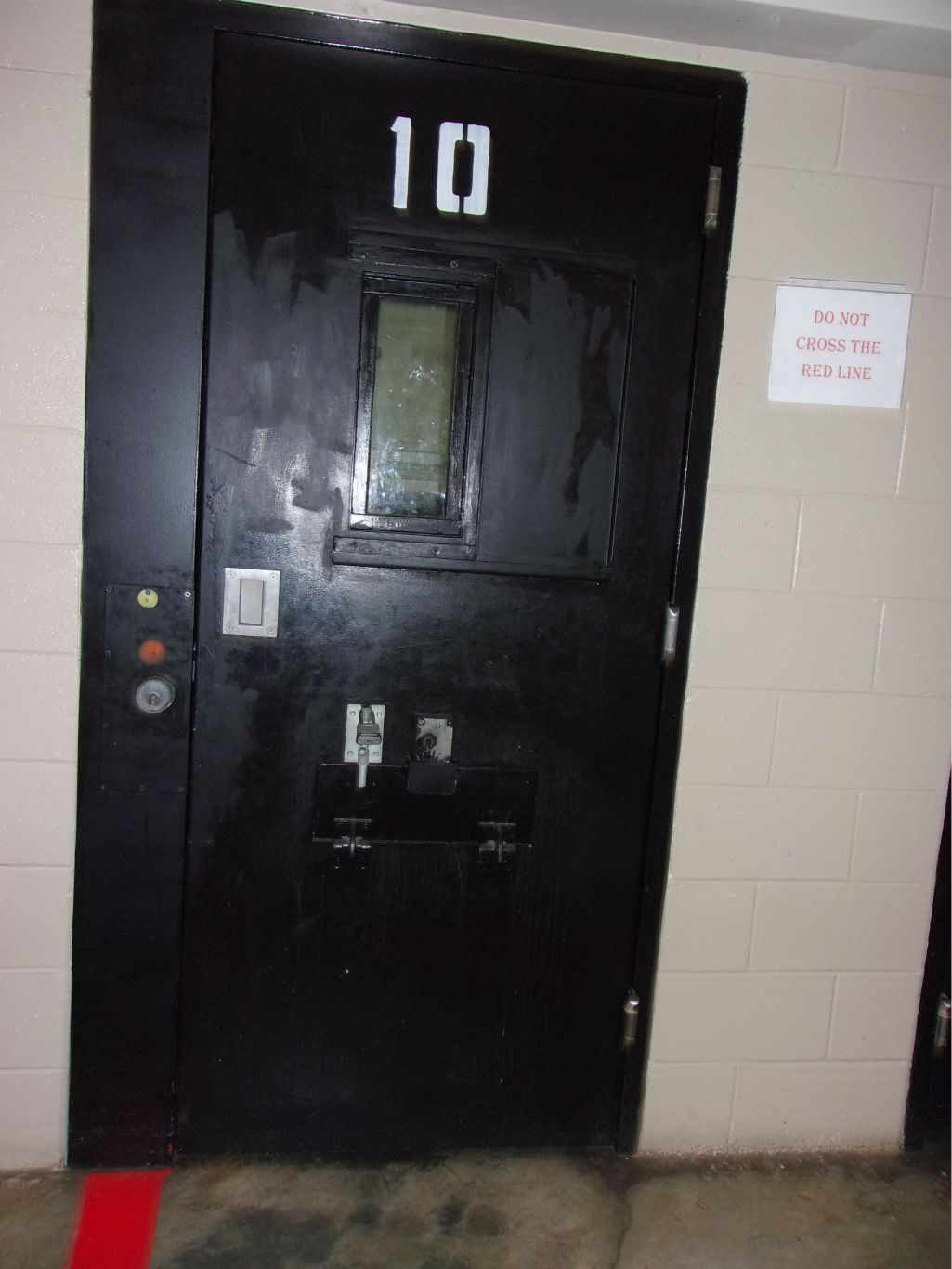
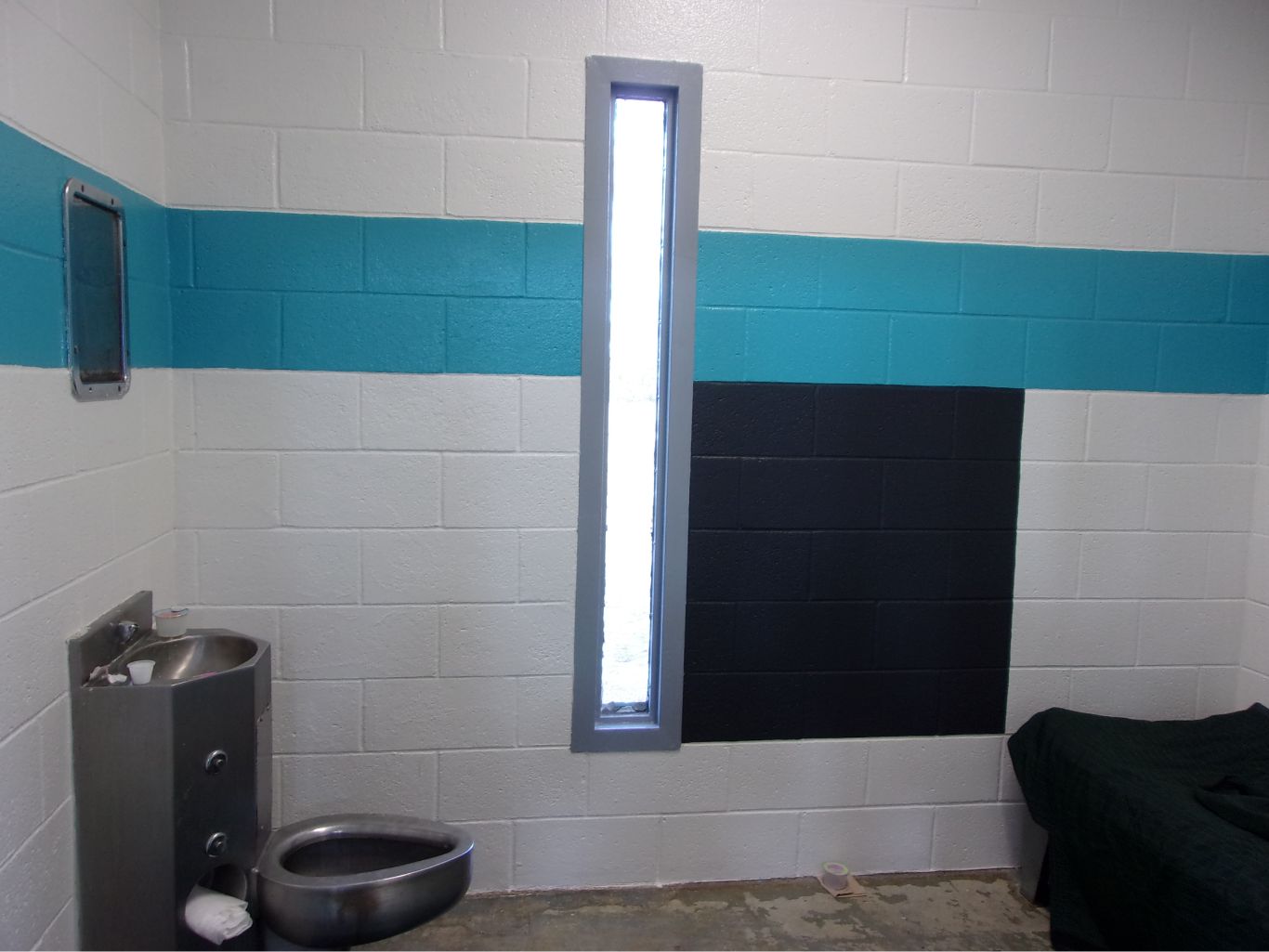
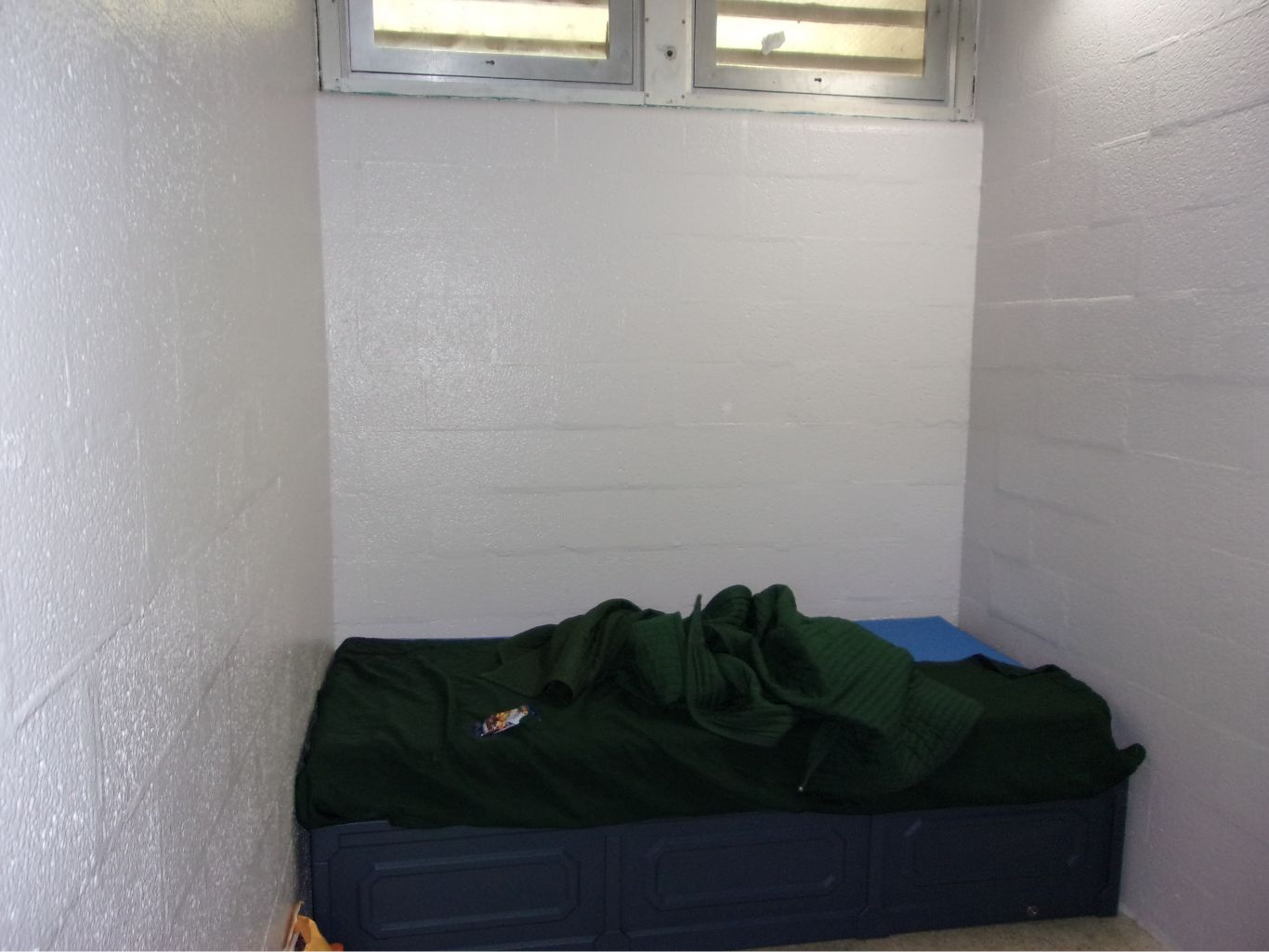
All the facilities except one contain small, single-occupancy rooms, or cells [1], for youth. Most, but not all, facility cells contain a toilet and sink. The cells generally line at least one pod or dayroom area. In some facilities, flaps, at times, cover cell windows, preventing youth inside from visual access to the pod.
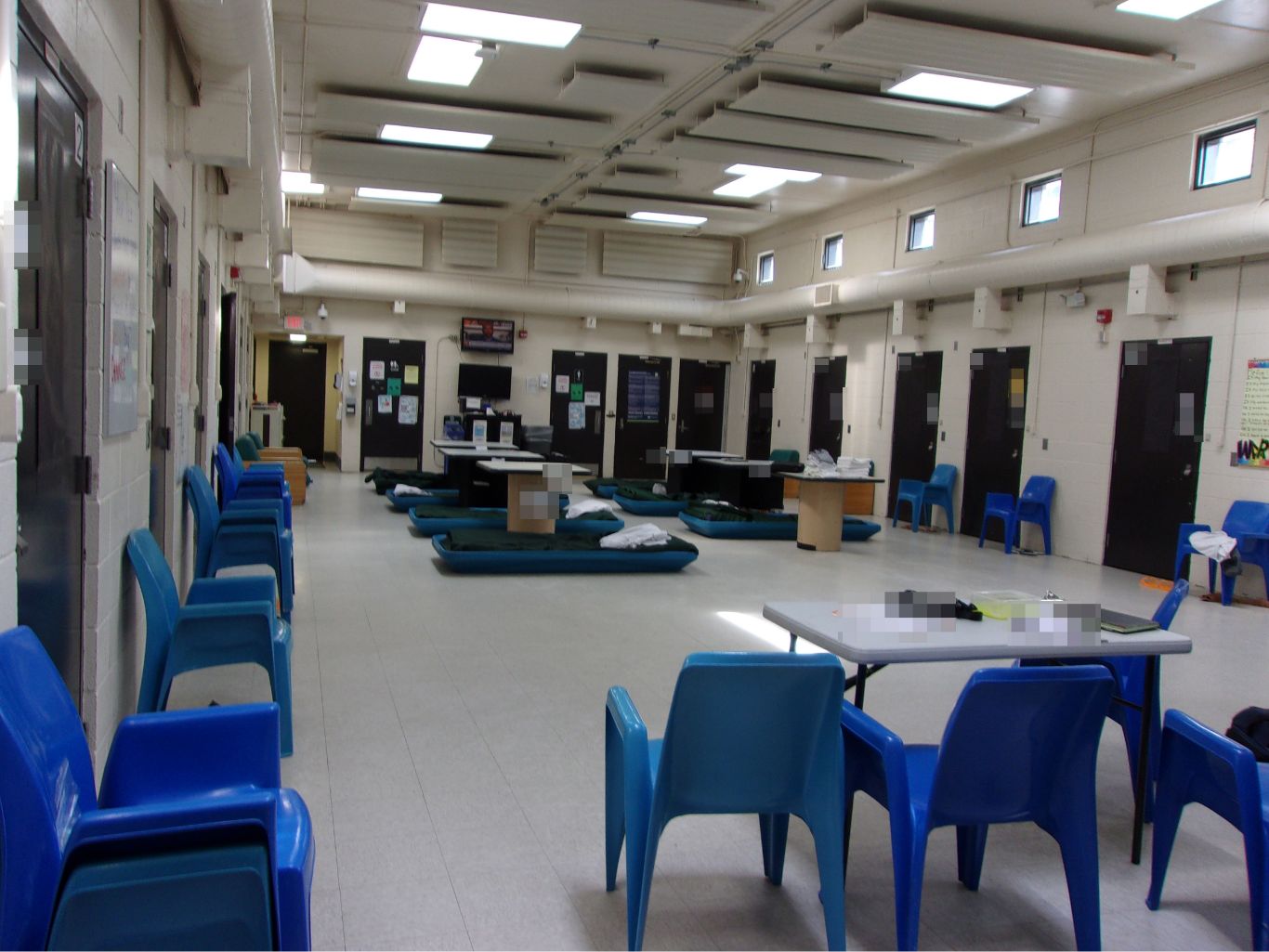
At some facilities, colorful pennants or puzzles line the walls of common areas or pods. In most, but not all, facilities, youth cells have a window to the outside.
In one county-operated JDC, Brunswick County JDC, the layout resembles an adult jail cellblock.
All facilities have access to outdoor recreation space; some facilities have a gym as well.
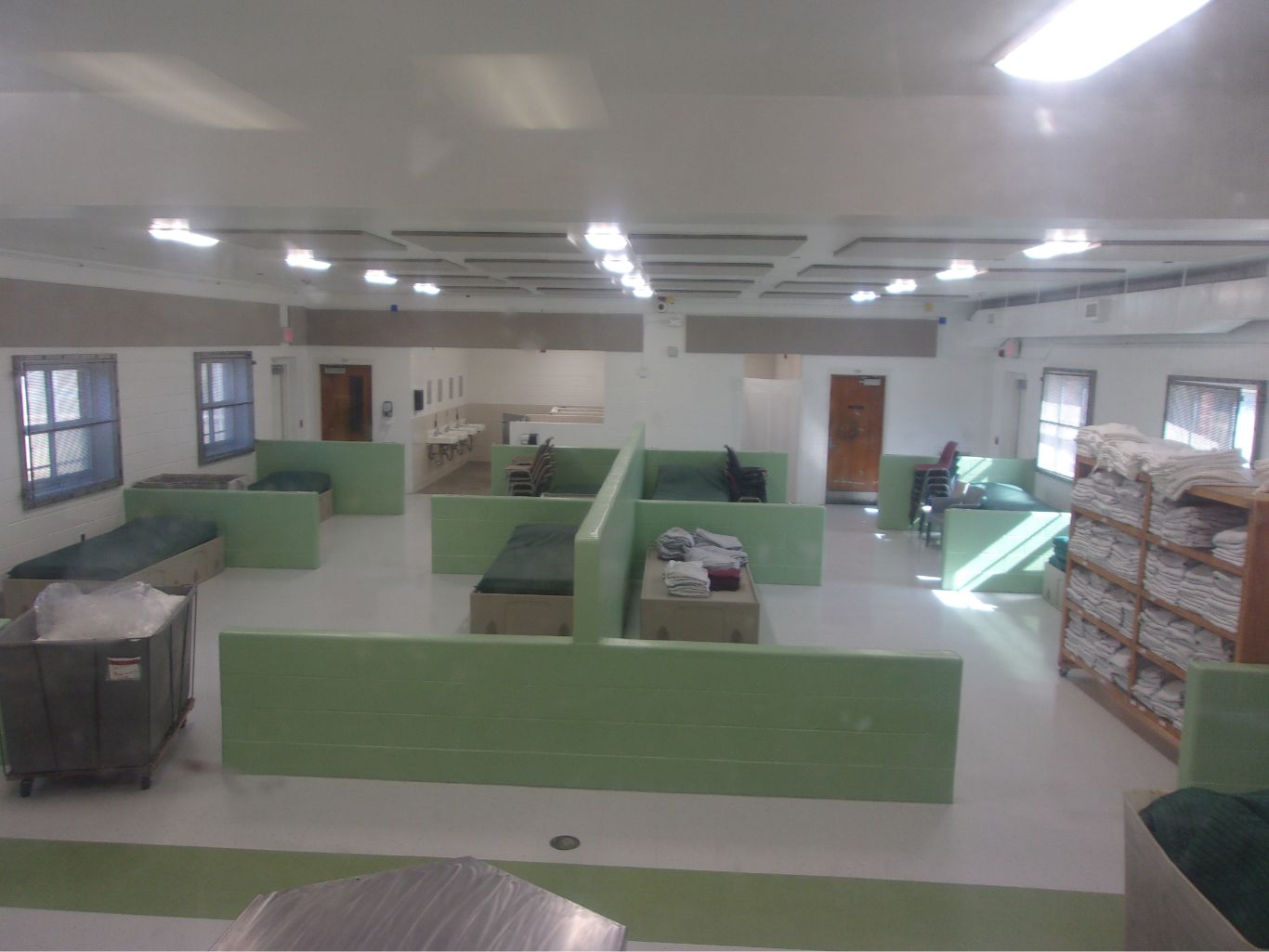
One DJJDP-operated facility stood out for its unique design. Richmond-Jenkins JDC, located in Hoffman, NC, is an “open-bay” facility in a repurposed adult minimum-security prison unit. Richmond-Jenkins JDC has no cells or room doors. It features substantial natural light. Youth there spend their time in the communal pods – where they eat meals, attend school, and otherwise have programming – or outside during recreation time.

We are pleased to be able to report that the most egregious facility condition concerns, at Pitt Regional JDC (Pitt JDC), had been mostly remedied by the time of our second monitoring visit after DRNC reported our significant concerns about the conditions, including showing photographs that illustrated the problems.
Recommendations for Facility Physical Conditions:
- DJJDP and facility staff thoroughly clean and maintain each JDC facility interior and exterior on a scheduled basis. In a response to concerns this report raised, DJJDP Deputy Secretary William Lassiter sent a letter to DRNC and said DJJDP is seeking funding from the NC General Assembly for 13 additional “maintenance staff, tools and equipment to address critical needs and optimize operational efficiency across regional facilities, including youth development centers, juvenile detention centers and Multipurpose Group Homes.”
- Facility staff use window flaps on cell windows only as needed and requested by youth for their privacy.
Time Out of Cell
A basic measure of the opportunities for rehabilitation and success offered by a JDC is how much time youth spend locked in their cells versus the amount of time they are out of their cells. There is very little that is rehabilitative about sitting alone in a locked cell. Youth must be out of their cells to engage in education, recreation, and mental health programming, and to have opportunities for prosocial interactions. If North Carolina is serious about providing an effective, rehabilitative juvenile justice system that prioritizes public safety and successful re-entry, youth must be given significant time out of their cells.
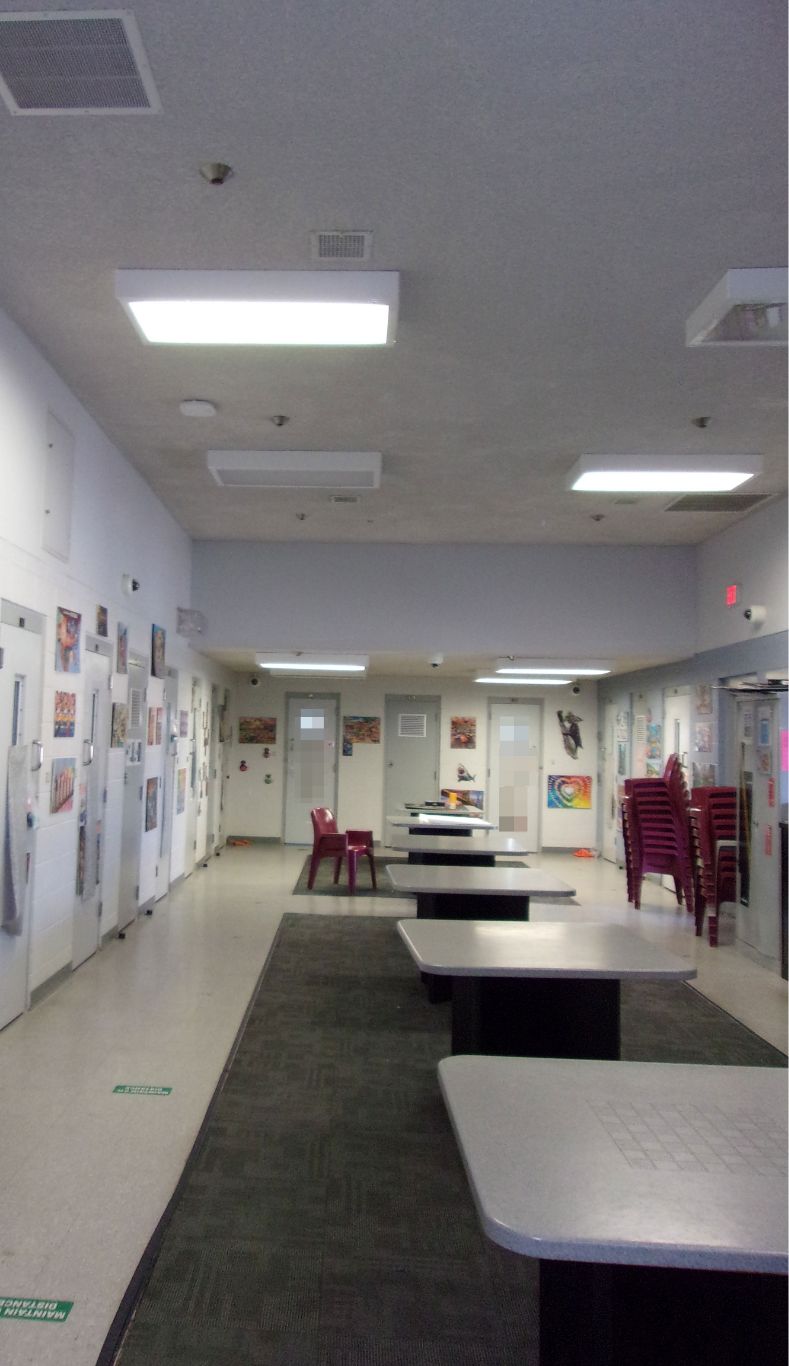
The amount of time that youth in North Carolina’s JDCs spend confined to their cells varies significantly. In only three facilities were youth out of their cells for almost all or all day, every day, allowing them full access to programming that is essential to their well-being and rehabilitation. Predictably, in these facilities, young people reported a greater sense of well-being and safety.
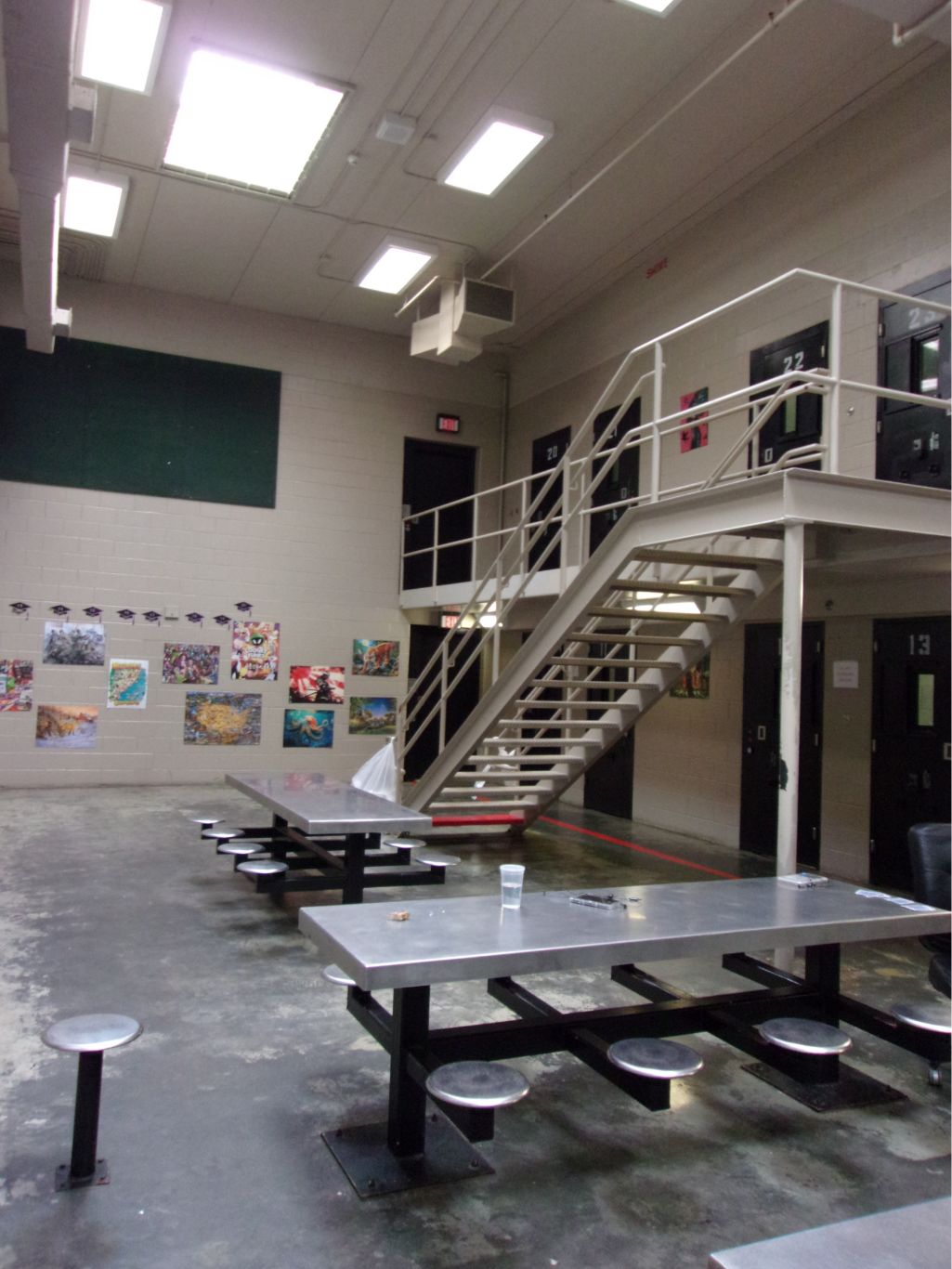
In other facilities, the amount of reported time in cells differed even within the facility. And in far too many facilities, youth were confined to their cells for large amounts of time, up to and including conditions that rise to the level of solitary confinement.
Solitary confinement has been defined as keeping an incarcerated person locked in their cell for more than 22 hours a day. The harmful psychological and physical impacts of solitary confinement have been well documented. These can range from insomnia, hypertension, and paranoia to PTSD, depression, psychosis, suicidal ideation, and premature death. The risks of solitary confinement are greater for youth. The report of the US Attorney General’s National Task Force on Children Exposed to Violence found that: “Nowhere is the damaging impact of incarceration on vulnerable children more obvious than when it involves solitary confinement.”
Young people and people with mental health disabilities should not be subjected to solitary confinement. This is echoed by the American Legislative Exchange Council (ALEC) in its Resolution on Limiting the Use of Prolonged Solitary Confinement, where it calls for alternatives to solitary confinement for “special populations,” such as youth, people with mental health disabilities, people with Traumatic Brain Injury (TBI), and pregnant people.
Solitary confinement does not make facilities safer and does not improve public safety.
Youth in juvenile detention settings should generally remain out of their cells during waking hours and engaged in meaningful programming and activities. DJJDP’s own policies state that JDCs are meant to be “therapeutic” environments (DJJDP Policy DC 1-3 2.3.3). There is very little therapeutic about a youth being locked alone in a cell during waking hours for hours at a time.
How Much Time Are Youth Locked in Their Cells in North Carolina’s JDCs?
As noted, across all JDCs in North Carolina, the total amount of time in cells varies widely from facility to facility, with some facilities allowing youth out of their cells for virtually all waking hours, others maintaining conditions of solitary confinement for many or most youth, and some facilities operating between these poles – including facilities that have varying conditions within the facility itself.
DRNC noted that several facilities have official schedules that show substantial time outside of cells. However, we learned that frequently these schedules were not followed. Some JDCs cited difficulties following the official schedules due to staff shortages.
The table below provides an overview of how much time youth reported spending locked in their cells in each JDC facility. The range of time out of cell noted for most JDCs reflects variation in time out of cell during weekends, differences in time out of cell between different pods, and variation in experiences by youth in the same facility. The chart reflects time out of cell during DRNC’s most recent monitoring visit to the facility, which may vary from previous monitoring visits. For example, in our September 2024 visit to Cabarrus Regional JDC (Cabarrus JDC), multiple youth reported significant time out of their cells, though there was considerable variation. However, during our most recent visit in July 2025, youth spent much more time confined to their cells. Likewise, during our most recent visit to Dillon Regional JDC (Dillon JDC) in August 2025, DRNC was informed of solitary confinement-like conditions, whereas youth in the facility during a prior visit spent significant amounts of time outside their cells. Time outside of cells improved somewhat at Pitt JDC between DRNC’s monitoring visits.
| Facility | Significant Amounts of Time Spent Outside of Cell Daily |
|---|---|
| Richmond-Jenkins JDC | The facility has no cells. Youth spent 100% of their time outside cells. |
| Rockingham JDC | Youth spent nearly all day outside their cells. |
| Alexander Regional JDC | Youth reported spending most of the day outside their cells, with up to 3 hours spent in cells during the day and the remainder of the daytime out of cell. |
| Facility | Limited to Moderate Amounts of Time Spent Outside of Cell |
|---|---|
| Brunswick County JDC (county-operated) | Youth spent approximately 2-7 hours a day outside their cells, with additional time outside of cells on weekends. |
| New Hanover Regional JDC | Youth reported spending approximately 1.5-6 hours a day outside their cells, with up to all day outside their cells on weekends. “Lockdowns,” when youth are confined to their cells for additional time, occurred with some regularity. |
| Perquimans JDC | Youth spent approximately 2-6 hours a day outside their cells, and a range of about 5-6 hours to all day spent outside their cells on weekends. |
| Pitt JDC | Youth spent approximately 1-5 hours a day outside their cells; however, some youth reported being confined to their cells for 22-23 hours a day. |
| Wake JDC | Youth spent at least 4-6 hours a day outside their cells. |
| Facility | Multiple Reports of Solitary Confinement: Very Little Time Spent Outside of Cell |
|---|---|
| Cabarrus JDC | Several youth reported being locked in their cells for approximately 22-24 hours a day. Other youth spent limited to moderate time out of cell. |
| Cumberland JDC | Youth generally reported being locked in their cells for approximately 22-23.5 hours on weekdays. Youth spent about 2-4 hours out of their cells on weekends. |
| Dillon JDC | Several youth reported being locked in their cells for at least 23.5 hours a day. Youth-reported time in cells ranged from approximately 20-23.5 hours. |
| Durham County Youth Home
(county-operated) |
Youth generally reported being locked in their cells for about 23 hours a day. On weekends, youth spent slightly more time outside their cells. |
| Guilford County JDC
(county-operated) |
Youth generally reported being locked in their cells for at least 22 hours a day. Individuals in the girls’ pod reported being locked in their cells for approximately 20 hours a day. |

JDCs with the Most Time Out of Cell
In three out of the 13 JDCs (Alexander JDC, Rockingham JDC, and Richmond-Jenkins JDC), youth were consistently out of their cells for most or all day, every day.
In these facilities, the increased amounts of time out of cells and with other young people resulted in much more positive feedback from young people interviewed compared to the feedback from youth in other JDCs. Young people in the three facilities shared more positive mental health reports, in sharp contrast to reports from youth confined with few opportunities to be released from their cell. It is notable that the programming offered in these three facilities more closely match DJJDP requirements for JDCs. The kids in these JDCs were more engaged in education, recreation, and other rehabilitative programming than youth in other facilities and felt better as a result.
Three state-operated JDCs with the greatest time out of cell
Youth held in the JDC portion of the Rockingham YDC facility consistently were out of their cells for extended periods of time, with ample time for educational opportunities, recreation, family contact, and access to appropriate mental health supports. Rather than using extended periods of time in cells as a means of behavior management, staff instead leveraged a robust positive behavior incentive system, allowed for youth to request 30-minute breaks in their cell to calm themselves, and ultimately, had staff and leadership create and maintain a positive and safe culture for young people detained there.
Richmond-Jenkins JDC is unique compared to other facilities in that it is an open-bay style, where young people are not housed in cells. As a result, young people detained at Richmond-Jenkins JDC do not spend any time in a cell. Youth reported that this style of housing, as well as the positive and respectful interactions with staff, had much more beneficial results for the youths’ mental health. DRNC was specifically asked to thank the director of the JDC for operating a facility that was not locked down.
Youth at Alexander Regional JDC (Alexander JDC) also spent many hours a day outside of their cells and in class.
In the facilities where young people are out of cells for most of the day, DRNC heard consistently more positive reports about the youths’ mental health, lower concerns for staff managing difficult behaviors from youth, and daily environments in which youth could focus on the therapeutic and educational opportunities available to them.
By having youth out of their cells for a majority of each day, these facilities are taking meaningful steps towards building a therapeutic environment for youth detained there, and, in this area, are a model for other JDCs – even when facing staffing shortages.
JDCs Allowing Only a Limited to Moderate Amount of Time Out of Cell
Between the poles of JDCs allowing significant time out of cell and JDCs using a significant amount of solitary confinement, five JDCs allowed limited to moderate amounts of time out of cell. These were the facilities where most youth spent more than two hours a day out of their cells, and up to all day out on some days. The amount of time youth were allowed outside their cells varied in these facilities. The facilities grouped in this category include Brunswick County JDC (county-operated), New Hanover Regional JDC (New Hanover JDC), Perquimans JDC, Pitt JDC, and Wake JDC. Pitt JDC stands out in this group as a facility in which some youth did report solitary confinement-like conditions; Pitt JDC is included in this grouping because of the variation of time that youth reported out of cell.
Solitary Confinement in JDCs: Shocking and Normalized
Five JDCs used solitary confinement of more than 22 hours a day with frequency and normalcy, in violation of DJJDP policies. DRNC learned of a term for what some youth were experiencing: “23-and-1.” A “23-and-1” facility locked kids in their cells for all but about one hour a day. Some youth believed this was the common state of being detained in JDCs.
Durham County Youth Home and Guilford County JDC, both county-operated facilities, regularly locked youth in their cells for at least 22 hours a day, as reported by youth in DRNC’s most recent monitoring visits. The over-representation of county-operated JDCs in this group of facilities with the most concerning practices is worth noting, as these facilities, while still under the supervision of DJJDP, seem to operate without much oversight, which likely contributes to their inappropriate use of solitary confinement on children.
Cumberland JDC, a DJJDP-operated facility, similarly held kids in solitary confinement-like conditions, allowing youth out of their cells for very little time daily. Youth at Cumberland JDC noted that, during the short part of their time allowed out of their cells, they were made to silently watch Criminal Minds or a similar show in the facility’s dayroom.
Cabarrus JDC and Dillon JDC stood out as facilities that were reported to widely use solitary confinement during the most recent monitoring visit, a contrast from previous visits. Pitt JDC often used solitary confinement during DRNC’s first monitoring visit and used it to a lesser extent on a subsequent visit – with some youth on the subsequent visit being out of their cells for up to 5 hours a day.
How Do Youth Experience Solitary Confinement?
Youth in facilities using solitary confinement frequently expressed the mental anguish associated with being locked in their cells for so long. Some youth appeared dazed or teary. Many others stated that excessive cell confinement distressed their mental health. While Guilford County JDC and Brunswick County JDC provided tablets for youth to have in their cells in an attempt to ameliorate the conditions of cell confinement, other JDCs did not even provide tablets in cells.
To pass the time, youth spoke of staring at the walls, bouncing a ball, reading, exercising in their cell, pacing, or sleeping. Concerningly for safety reasons, some youth at Cabarrus JDC noted that sometimes there were no staff on the pod when youth were locked in their cells. At some facilities, like Cumberland JDC, the solitary confinement was made worse by other practices, such as generally prohibiting youth from speaking to other youth indoors. Youth in facilities using solitary confinement expressed feeling that they were being treated like animals. Regarding cell confinement generally, other youth spoke of cell confinement as having negative impacts on their mental health or of feeling like the cell walls were sometimes closing in on them. An alarming number of youth expressed suicidal ideation or thoughts of self-harm due to being kept in solitary confinement-like conditions. DRNC obtained youth permission and relayed urgent mental health needs to facility leadership.
Why are JDC Facilities Using Solitary Confinement?
At many of these facilities, staff and leadership point to staffing shortages and/or difficulties managing conflict between young people as reasons for keeping youth in their cells for extended periods of time. The American Academy of Child and Adolescent Psychiatry states that “[a] lack of resources should never be a rationale for solitary confinement.”
DRNC emphasizes the need for sufficient staffing to allow young people out of their cells. At the same time, while staffing concerns are an issue in some JDCs, staffing levels at some facilities appeared to be sufficient to have young people out of their cells much more often than what was reported and observed. It appeared to DRNC that, at some facilities, keeping kids in their cells for long periods of time had simply become normalized.
What Do DJJDP Policies Say About Solitary Confinement?
DJJDP policies do not include “solitary confinement” in the terminology. They do state that “administrative room confinement” can be authorized for JDC safety, security, or management – including for critical staffing shortages (DJJDP Detention Service Policy DC 1-3 2.3.9). Administrative room confinement is not related to behavioral infractions.
By policy, administrative room confinement is to be limited to the time period needed to resolve the initial problem. A JDC director can authorize administrative room confinement for up to 24 hours and can reauthorize administrative room confinement beyond 24 hours with notification to the DJJDP Director of Facility Operations. It is unclear if this process is followed across JDCs, especially in those facilities using solitary confinement regularly. County contracted JDCs are required by contract to follow DJJDP policies concerning confinement of youth.
The North Carolina state prison system banned the use of solitary confinement for youth under 18 in 2016. Other states ban the use of solitary confinement as punishment, or otherwise restrict the use of solitary confinement – such as limiting the length or conditions of solitary confinement.[2]
DJJDP Deputy Secretary William Lassiter told DRNC in a Dec. 18, 2025 letter, “the use of solitary confinement is not practiced within any North Carolina juvenile justice setting. We do acknowledge that our policy does provide a provision where a youth may be placed in their rooms for a period to regain composure, following an incident that jeopardized the health and safety of themselves or others, and this time is carefully monitored by facility leadership, behavioral health, and medical staff. DJJDP policy does not support the use of room confinement for punitive purposes. While a youth is in their room for both administrative and temporary room confinement, they must receive visits from behavioral health, health services, education, a facility supervisor, social worker, and as requested – the chaplain. Also, while a youth is in their room, they must continue receiving living conditions approximate to those youth in the general population.”
That statement did not bear out in DRNC’s monitoring. DRNC observed and youth reported a very different reality.
Three JDCs stand out for consistent solitary confinement conditions over consecutive monitoring visits
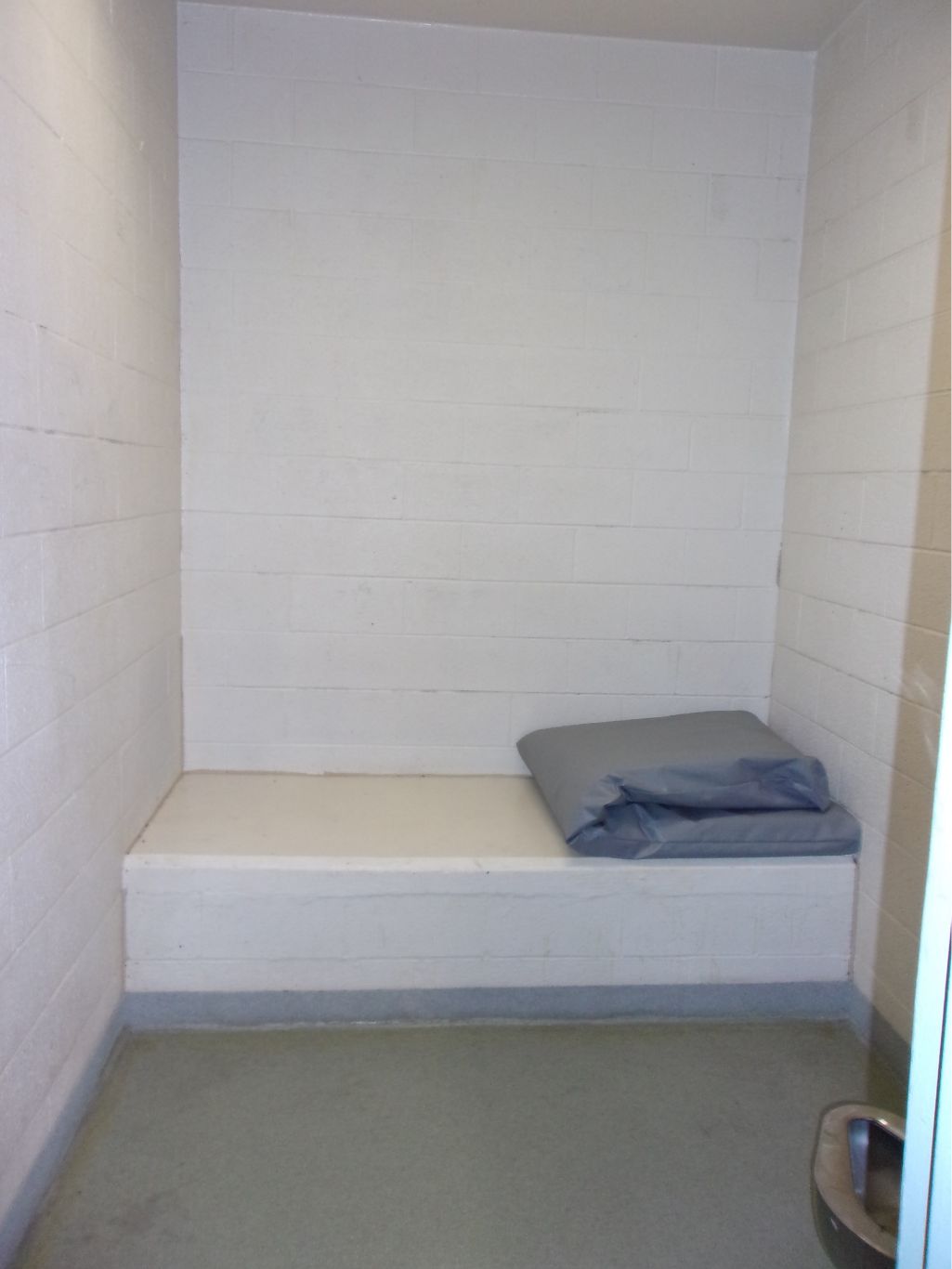
Guilford County Juvenile Detention Center (county-operated)
Concerns regarding Guilford County JDC’s use of solitary confinement conditions were communicated to DRNC prior to our monitoring, with a report of youth in cells for up to 23 hours per day. During DRNC’s monitoring visits, these concerns were confirmed. Youth were consistently confined to their cells for 22-23 hours per day, and DRNC routinely heard the facility described as a “max” (maximum security) or a “23-1” facility. There is no such legal designation for juvenile facilities in North Carolina.
The cells where the young people at Guilford County JDC are detained for these extended periods of time have no windows to the outside. Youth reported only sometimes or rarely going outside.
In summer 2025, DRNC returned to Guilford County JDC to determine if there had been any improvements to the youth’s out-of-cell time. While the facility made minor improvements, like painting over the graffiti in the cells, the youth still spent similar amounts of time out of cell as they did in previous monitoring visits. In individual interviews, youth on the boys’ pods consistently stated that they were out of their cells for only 1-2 hours daily.
In response to findings in this report, which were substantially similar to findings previously relayed to facility leadership, Guilford County JDC responded in a January 2026 letter, denying the use of solitary confinement “as a routine practice” and stating that “in July 2025, youth spent about 5 hours per day out of the room.” This statement is inconsistent with the reports DRNC heard the following month. The facility’s response also stated that youth at the Guilford County JDC are currently spending about 8.5 hours out of their cells daily, and that staffing shortages affecting youth time out of cell the past summer have largely been addressed. DRNC has not yet verified these statements, which would represent significant and notable improvements.
Durham County Youth Home (county-operated)
The second county-operated JDC in this section, Durham County Youth Home (DCYH), stood out originally due to its newly built facility and the relatively robust education that students received during DRNC’s first monitoring visit in September 2024. During this visit, concerns emerged about recent periods of solitary confinement-like conditions on the weekends and during the summer, with youth getting out of their cells more often with the beginning of the school year. This additional time spent out of their cells was positive for youths’ mental health.
However, following concerning information about a “lockdown” of the facility, including restrictions on or modifications to young people’s access to legal counsel, families, recreation, and time out of cell, DRNC monitored at the DCYH again in February 2025. During this monitoring visit, DRNC confirmed that youth at the DCYH were being confined to their cells for 22.5 – 24 hours every day.
Young people had largely stopped attending school, and when they did attend, they were doing so one-on-one or in small groups and for no more than 30 minutes at a time. Youth were allowed 15-30 minutes for free time and – on some days – 30 minutes of “programming.” Youth were allowed 7-minute showers. Recreation had just resumed the week of DRNC’s monitoring visit.
On weekdays with no school, youth reported spending up to 24 hours a day in their cells. On weekends, youth spent 22.5-24 hours a day in their cells. When youth were allowed out of their cells, they were largely taken out individually, without being allowed meaningful interactions with their peers. DRNC learned of a distressing level and frequency of negative mental health impacts of the “lockdown” period, including reports of suicidal ideation and attempts of self-harm.
During the exit meeting following DRNC’s February 2025 monitoring visit, DRNC shared our deep concern with these new “lockdown” conditions. Subsequent to this meeting, in April 2025, the facility informed DRNC that the DCYH was no longer on “lockdown.”
Despite this update, DRNC discovered during its July 2025 monitoring visit that these solitary confinement conditions had remained largely unchanged during the five months since DRNC’s prior monitoring visit. Youth consistently reported 22.5-24 hours spent in their cells daily, and the mental health impacts were apparent. Multiple youth repeatedly and desperately relayed that their solitary confinement was deteriorating their mental health, causing them to be severely depressed and anxious; the confinement also exacerbated existing mental health needs, and ultimately, left the youth feeling dehumanized.
In a January 2026 letter in response to findings in this report, the DCYH stated that it currently has a 45% Youth Home Counselor position vacancy rate. The letter also stated that youth are not routinely confined to their cells for 22 or more hours a day. However, youth consistently said otherwise during DRNC’s monitoring visits to DCYH in 2025.
Cumberland Regional Juvenile Detention Center
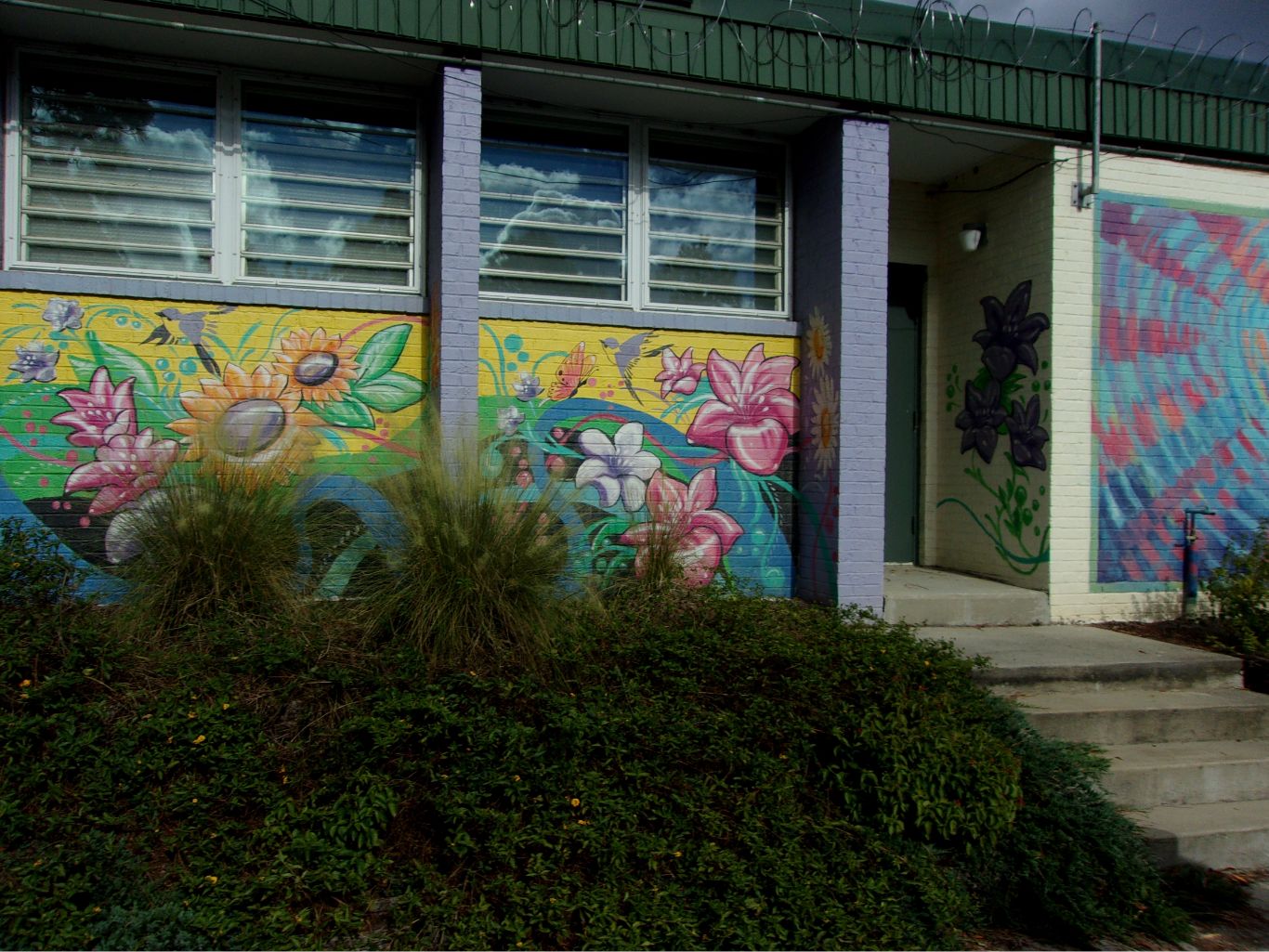
Cumberland JDC is directly operated by DJJDP. DRNC first monitored at Cumberland JDC in November 2024. The facility is relatively small, having 18 cells; additional youth may sleep in the communal dayroom area on plastic temporary beds, referred to by staff and young people as “boats.” The facility boasts an outdoor area with a sensory garden, swinging chairs, and murals.
During our first monitoring visit, it quickly became apparent that the youth held in cells, rather than in boats in the dayroom area, were regularly confined to their cells for 22-23 hours per day. The windows on the doors of their cells were covered with a black flap, and the blinds covering their windows to the outside were closed, making it dark and impossible to see other people. Additionally, the facility did not allow youth, when indoors, to speak to each other or look at other youth for too long. This intense isolation negatively impacted the youths’ mental health, with some youth unable to complete their interview with DRNC without crying significantly.
Upon first entering the facility, youth were placed on “quarantine” — a period of 3-5 days when they did not come out of their cells except to shower. (Alexander JDC is another facility that implemented a “quarantine” policy.)
Many youth at Cumberland JDC reported that they rarely went outside and that when they did, it was for 15-30 minutes.
In July 2025, DRNC monitored at Cumberland JDC again, finding the conditions nearly identical, despite DRNC having previously shared concerns. Young people continued to report that they regularly spent 22-23.5 hours in their cells, were not allowed to speak to one another, rarely went outside, the blinds in their cells were still often closed, flaps were still used on doors, and their mental health was suffering from this isolation.
Multiple youth were crying and had difficulty finishing their interviews apparently due to the impact of isolation on their mental health. Youth felt depressed and overwhelmed. Multiple young people were experiencing recent or current suicidal ideation or had attempted self-harm while detained at Cumberland JDC.
Following monitoring visits to these three facilities, DRNC immediately reported our concerns to facility leadership and to DJJDP leadership for the DJJDP-operated facility. DRNC provided monitoring memos to DJJDP leadership for all facilities, including these three. DRNC remains deeply concerned about the harmful effects of the use of solitary confinement conditions on the youth in these facilities.
Recommendations for Time Out of Cell
- All North Carolina JDCs immediately cease allowing solitary confinement, regardless of the name or terminology used to describe the practice of isolating youth in their cells for more than 22 hours per day.
- The North Carolina General Assembly affirmatively bans the use of solitary confinement for youth in JDCs statewide.
- DJJDP intervenes intensively at Cumberland JDC, Durham County Youth Home, Cabarrus JDC, Dillon JDC, and Guilford County JDC to substantially increase time out of cell.
- DJJDP conducts monthly in-person monitoring of the facilities above to ensure significant, consistent progress towards increasing time out of cell.
- DJJDP creates a policy that time out of cell is the expectation during waking hours. The policy must require at least 12 hours out of cell per day.
- DJJDP examines JDC facilities where youth report spending a greater amount of time out of cell (high out-of-cell time facilities) and shares best practices and effective policies with other JDC facilities. High out-of-cell time facilities demonstrate that JDCs can be operated in more rehabilitative and humane ways.
- DJJDP requires structured programming at all JDCs during the day by staff, including the following program areas: education, recreation, and appropriate mental health supports. If grouping is needed to ensure safety, group to maximize time out of cell.
- DJJDP prohibits the use of flaps that cover cell windows unless a youth requests the flap for privacy.
- DJJDP revises any facility admission policy that requires quarantining, except where necessary for public health (such as confirmed measles exposure).
- DJJDP requires all JDC facilities to provide meals on the pod, rather than in cells.
- DJJDP creates a public dashboard detailing the number of youth being held in their cells for more than 22 hours a day daily, by facility.
- DJJDP terminates contracts with county facilities not adhering, within strict deadlines, to DJJDP policies concerning youth confinement.
- The North Carolina General Assembly provides adequate funding for DJJDP to allow increased wages for all facility positions to reduce vacancy rates and ensure high quality staff dedicated to supporting system-involved youth.
Youth Discipline
JDCs across the state addressed youth behaviors through both positive behavioral incentive structures and punitive actions, such as additional cell confinement. DJJDP policies state that “[s]taff shall make every effort to maintain control of juveniles through the creation and maintenance of a therapeutic environment that utilizes positive reinforcement, role-modeling, skill instruction, counseling, and opportunities for achievement. Discipline shall be administered in a way to create a learning experience for the juvenile.” (DJJDP Policy DC 1-3 2.3.3)
Disciplinary Cell Confinement
One of the most egregious findings of DRNC’s monitoring was the regular use of solitary confinement conditions as discipline across most facilities. The use of solitary confinement as punishment has been expressly banned by several states. [3] And, as noted previously, Deputy Secretary Lassiter told DRNC that “DJJDP policy does not support the use of room confinement for punitive purposes.” But this is not what the youth reported to DRNC during our monitoring visits.
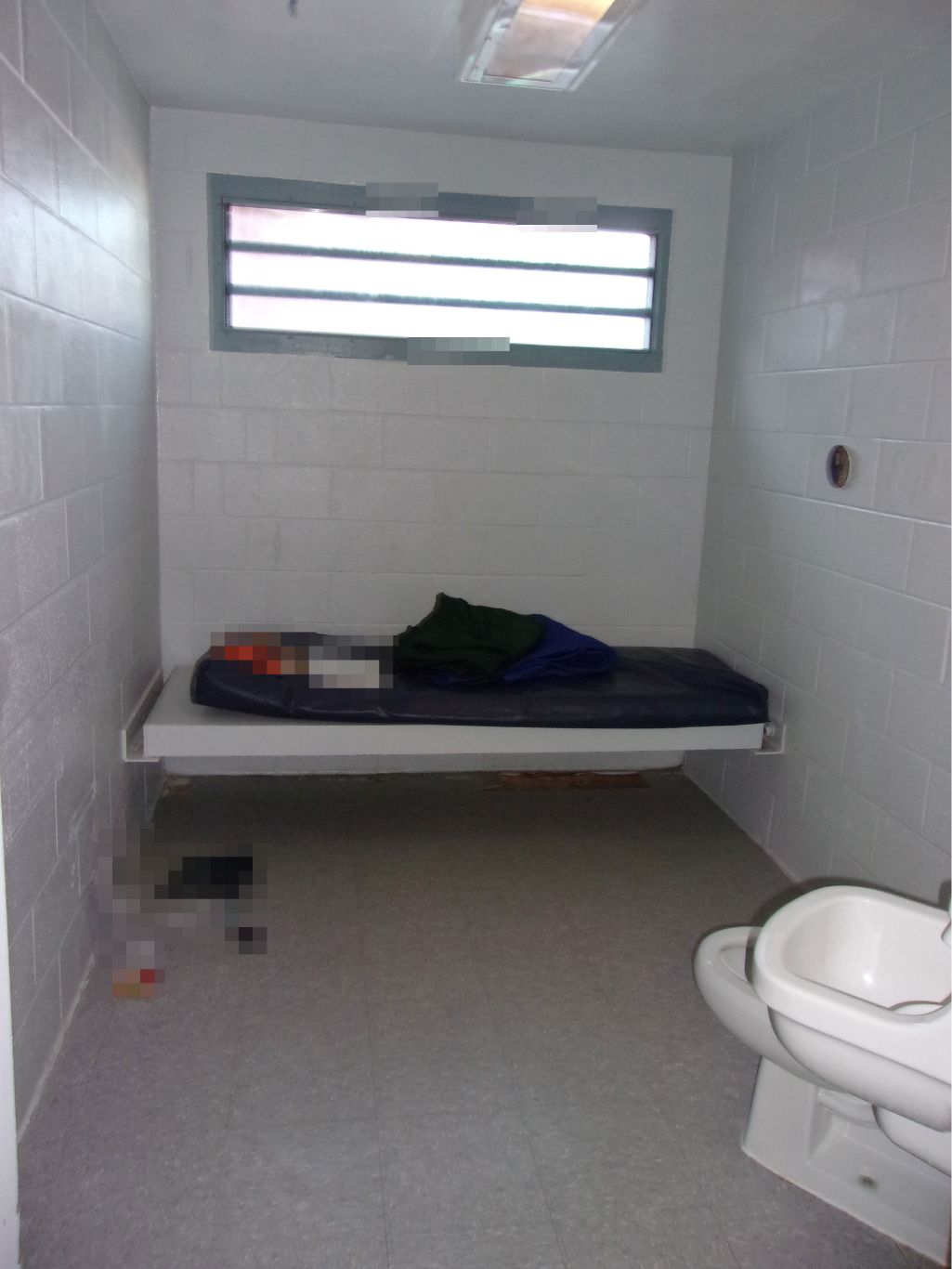
Youth on disciplinary cell confinement in North Carolina’s JDCs are typically confined to their cell for 23-24 hours a day, often with no access to school, recreation, phone calls, or free time. At Alexander JDC, students on disciplinary cell confinement even had books removed from their cells. In some facilities, this solitary-confinement-as-discipline was exacerbated by flaps covering youths’ windows to the pod. Cell confinement as discipline went by many names, such as: Temporary Confinement (TC), lockdown, “modified,” “room time,” and “admin.” Youth could receive cell confinement for several hours to several days. Behaviors that could result in cell confinement included major infractions such as fighting and, in some facilities, minor infractions such as using profanity. Youth regularly reported receiving up to 3 days of TC for a fight.
DJJDP policies state that cell confinement as discipline should only be used after all less restrictive measures have been exhausted or determined ineffective (DJJDP Policy DC 1-3 2.3.3(5)). DJJDP policies also state that cell confinement in response to behavior should be limited to the amount of time needed for the youth to regain control and return to the general population (DJJDP Policy DC 1-3 2.3.8(2)). The JDC facility director may authorize temporary room confinement up to 24 hours. Temporary room confinement beyond 24 hours requires notification to the DJJDP Director of Facility Operations (DJJDP Policy DC 1-3 2.3.8). DJJDP policies do not use the term “solitary confinement” to characterize temporary room confinement. County contracted JDCs are required by contract to follow DJJDP policies.
As with time in cell, disciplinary cell confinement varied widely between facilities. Most JDCs did not appear to follow DJJDP policy of limiting cell confinement to the time needed for youth to regain control. Instead, disciplinary cell confinement was often given for a fixed amount of time.
On the positive side, at Richmond-Jenkins JDC, the open-bay facility with no cells, discipline was usually handled through verbal de-escalation and other non-punitive strategies. Rockingham JDC also used very little disciplinary cell confinement, relying instead on verbal de-escalation strategies and a robust positive behavior incentive system. All other JDCs used some form of disciplinary cell confinement, with confinement commonly lasting up to 3 days – sometimes longer.
Disciplinary cell confinement as used in North Carolina’s JDCs is not aligned with best practices or DJJDP’s own policies. Instead, best practices guidance from the Juvenile Detention Alternatives Initiative suggests that cell confinement be limited only to that amount of time necessary for the youth to demonstrate safe behaviors, never as discipline or punishment, and for not more than two hours.
Additional Harmful Practices in JDCs
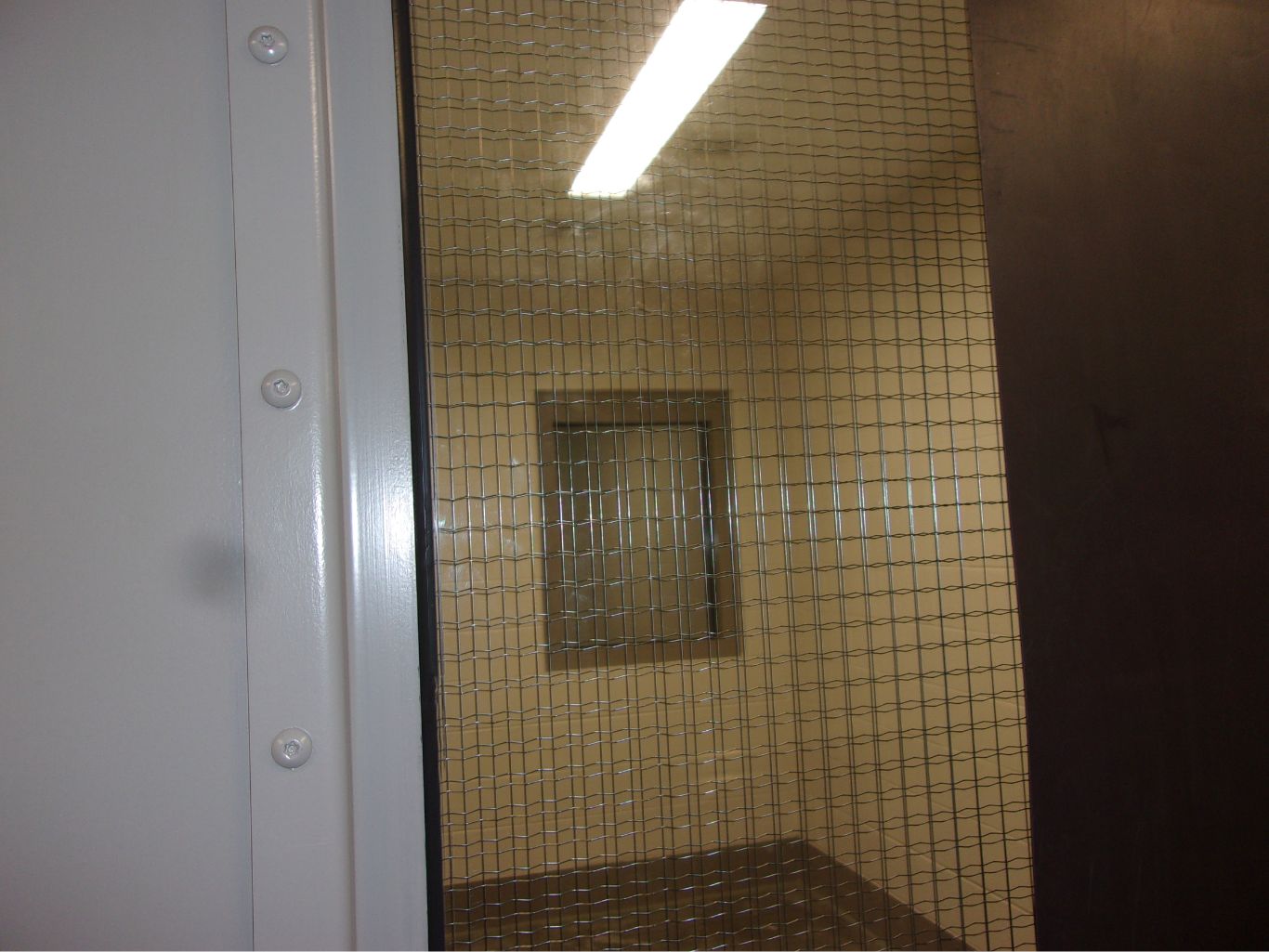
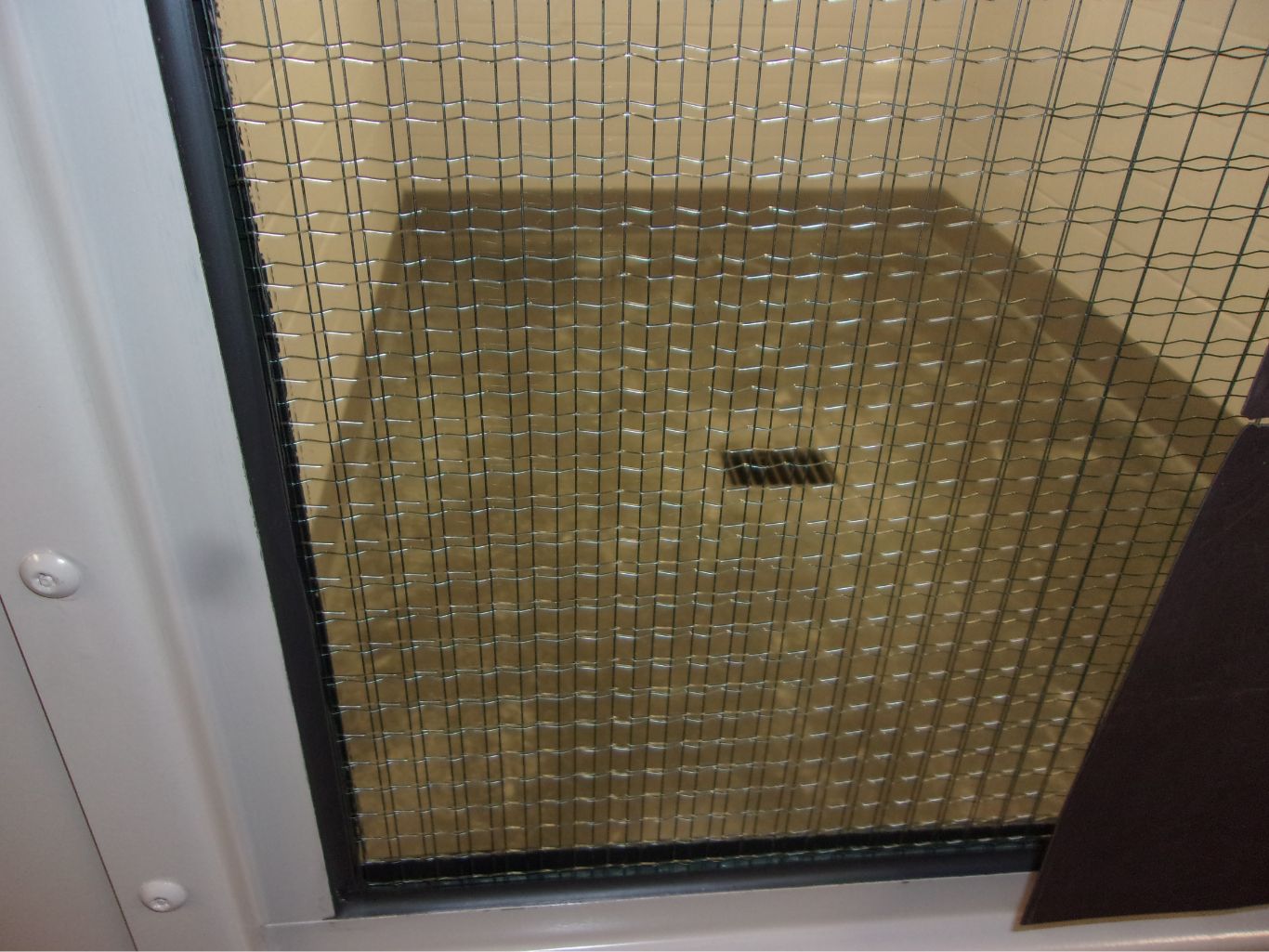
During monitoring, DRNC became aware of other egregious disciplinary practices in some of the JDCs. At Durham County Youth Home, youth reported that young people could be placed in “the Hole” as a disciplinary measure. Per DRNC observation, the Hole consists of a bare room with a hole in the floor; it was reported that the hole in the floor was for defecation/urination. The cells youth referred to as the Hole were located in a hallway between two pods. Youth noted that when placed in the Hole, they only sometimes were provided a mattress and the lights stayed on constantly, causing youth to be highly uncomfortable. They only sometimes received a pillow and blanket. Youth were unable to attend school while in the Hole. They also reported they would be placed in the Hole if they refused school for the day. Youth reported lengths of stay in the Hole anywhere from 2 days to 2 weeks. Alarmingly, the Hole was also used for suicide watch purposes.
In a written response to findings in this report, Durham County Youth Home replied as follows regarding the Hole: “DCYH does not and will not place residents in any form of solitary confinement or “hole.” DCYH does not have any rooms that are designated, labeled, or referred to as “the hole.” We have Special Observation rooms that are designed for and used as mental health observation rooms. These Special Observation rooms are not used as a response to behavior problems. Special Observation rooms are only used when residents are experiencing a mental health crisis (i.e. suicidal ideations or attempts, etc.) and in collaboration with mental health clinical staff guidance.” Statements that the DCYH does not have any rooms referred to as the Hole are contradicted by multiple youth using the phrase in interviews with DRNC, in reference to the Special Observation rooms. Youth also reported use of the Hole for both discipline and suicide watch purposes.
Youth in some facilities also were shackled in response to behavior. DRNC interviewed youth at both Cabarrus JDC and Durham County Youth Home who had been shackled, some of whom were shackled during the course of the interview with DRNC. Shackling youth in facilities as a response to behavior is problematic because it raises concerns for the safety of the youth shackled and is not trauma-informed. DJJDP Policy JJ 1 1.7.2 permits the use of mechanical restraints in a variety of instances, including to “maintain a safe and secure environment.” In a debrief meeting, DRNC learned that the practice of shackling as a “safety plan” had been halted at Cabarrus JDC. However, DRNC has not confirmed this change in policy.
At various facilities, DRNC also heard reports of staff using excessive physical force to manage behavior. For example, at New Hanover JDC, DRNC heard a report of a face-down (“prone”) restraint used to manage a youth’s behavior. Prone restraints are extremely dangerous and have a high risk of adverse outcomes, including death.
Notably, DJJDP Policy JJ 1 1.7.3(H) prohibits these dangerous prone restraints.
Positive Behavior Incentive Structures
One of the most reassuring findings regarding discipline in JDCs is a consistent pattern that the use of meaningful positive behavior incentive systems resulted in more positive behavior from youth and less use of cell confinement as a disciplinary measure. Some facilities, such as Alexander JDC, Rockingham JDC, and Perquimans JDC, had a robust positive behavior incentive system in which youth could earn an array of privileges. Other facilities, such as Durham County Youth Home, had more weakly developed positive behavior systems and used more disciplinary measures. Still other facilities had moderately developed positive behavior incentive structures.
Why Do Youth Discipline Practices Matter in JDCs?
Responding to youth behavior necessitates staff maintaining safety in the facility and providing an opportunity to address behavior in a way that builds youths’ capacity to regulate their behavior and problem solve. Because almost all youth in JDCs will eventually return to their communities, increasing their behavioral skills is vital for community safety and youth well-being.
Using solitary confinement as a means of discipline or to manage behavior is not best practice, is not in alignment with DJJDP policies, and does not build youth emotional or behavioral skills. This dangerous practice jeopardizes rehabilitation and the success of youths’ re-entry back into their communities. In addition to neglecting the opportunity for a productive response to youth behavior, solitary confinement as discipline also bears all the harmful consequences of solitary confinement noted above. These consequences include significant harm to youth mental health and educational deprivation, among others. Use of positive, trauma-informed, skill-building responses to youth behavior is the far better alternative – promoting safety and rehabilitation for youth. In addition, a positive environment is safer for staff and better for staff retention, making employment at these facilities more attractive.
Recommendations for Youth Discipline
- DJJDP bans solitary confinement as discipline or punishment in all juvenile facilities.
- DJJDP bans the use of cell confinement as discipline, instead limiting cell confinement to the standard outlined in DJJDP’s policy – only as needed until a youth regains behavioral control, and never more than two hours.
- DJJDP develops a policy guaranteeing youth on any form of cell confinement access to education, mental health services, phone calls, and large muscle movement daily. Youth on cell confinement should also have access to visitation.
- DJJDP must urgently stop the Durham County Youth Home’s use of the Hole for any purpose.
- DJJDP bans the practice of extended handcuffing or shackling youth by the ankles as a response to behavior.
- DJJDP requires development and implementation of robust positive behavior incentive structures in all DJJDP-operated JDCs and county-operated JDCs. DJJDP should regularly conduct in-person monitoring of these facilities to ensure compliance with these vital structures that promote rehabilitation and youth, staff, and public safety.
- DJJDP reports all serious occurrences – such as physical or mechanical restraints, prone restraints, and the use of solitary confinement-like conditions for more than two hours in response to behaviors – in a database for a third party to review with the goal of reducing such incidents over time.
Education in JDCs
Education in JDCs is critically important preparation for youth to be successful upon re-entry and provides the basis and credentials required for future careers. Time in class is also time spent out of cell, and increased time in class means less time spent by youth in cell confinement.
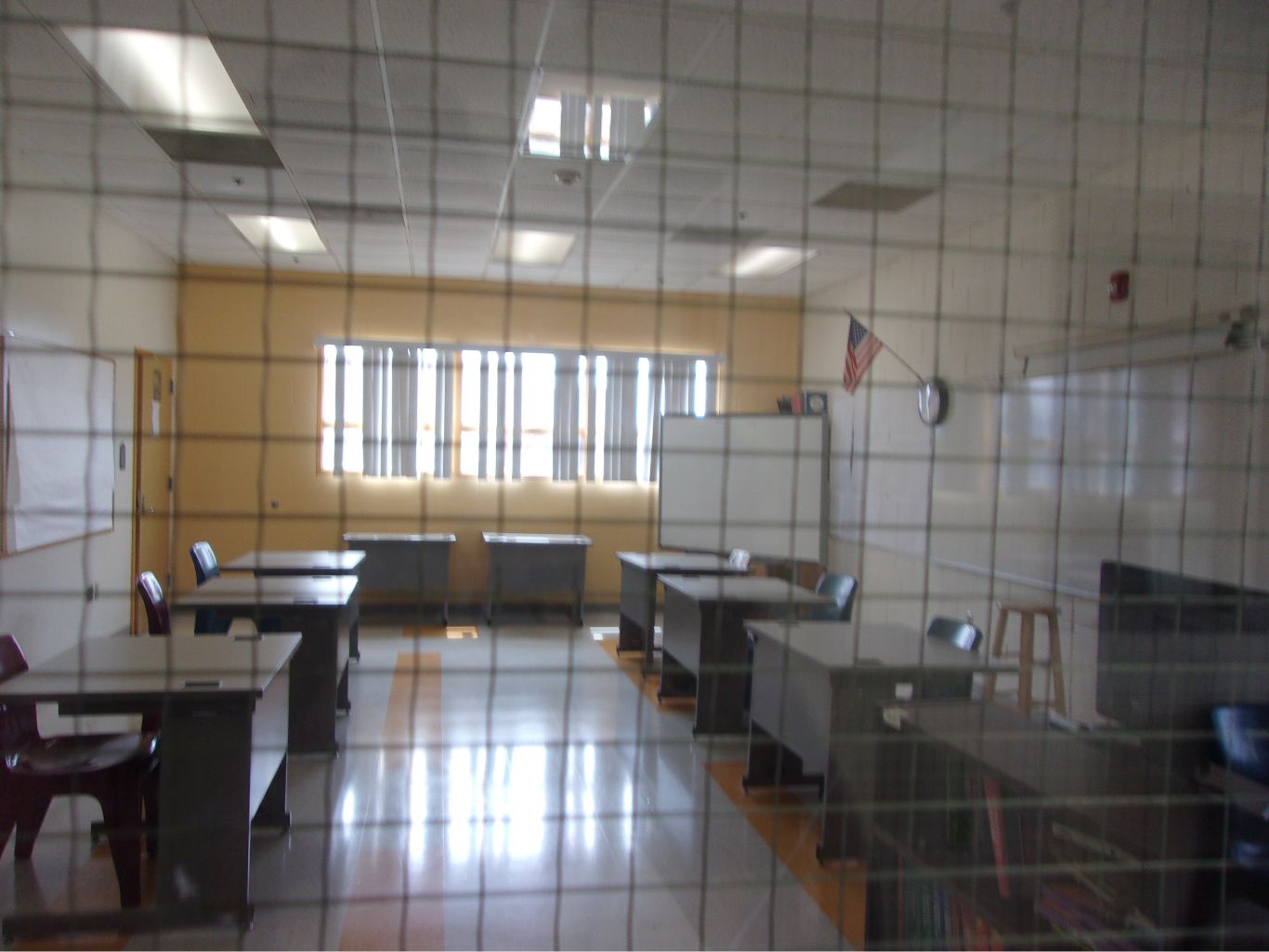
As with time spent in cell, DRNC learned from youth that there is a large range of experiences with education in the state’s JDCs. Generally, although with exceptions, youth are not getting the education that state and federal law and DJJDP policy require. DRNC’s monitors frequently heard about youth getting scant educational hours – far fewer than required by law.
Youth at several facilities experienced barriers to earning high school credits, and one facility (Brunswick County JDC) did not even offer an option to earn a traditional high school diploma. Overall, education in NC’s JDCs needs significant improvement, but promising practices in some facilities offer a positive base from which to grow.
Instructional Hours in JDCs
In North Carolina, the generally required amount of instructional time for students is 1025 hours per academic year. For students on a traditional school calendar, this is equivalent to about 5.5 hours of instructional time daily over the course of 185 school days per school year. DJJDP’s policies (DJJDP Policy FO 8.2 2.1(A)) require 220 instructional days, which amounts to a 4.6-hour-a-day minimum spent in education to meet state hour standards. DJJDP’s policies also require that juvenile justice education services “shall adhere to state education standards to be recognized by state education agencies” and that “educational quality, education programming, and student recognition shall be comparable to equivalent programs in the public schools of NC.”
How Much Access to Education Do Youth in JDCs Receive?
The amount of education youth in JDCs received varied widely among facilities. Youth in only three facilities reported ranges of instructional hours that met, approximately met, or exceeded the 4.6-hour minimum for daily education for students in North Carolina: Alexander JDC, Rockingham JDC, and Wake JDC. Of these, Alexander JDC stood out as offering significant instructional time, though reports varied; multiple youth reported receiving 5-6 hours of instruction daily. Youth at a fourth JDC – Richmond-Jenkins JDC – reported receiving 2.5 to 4.5 hours of instruction each weekday through an online platform, could articulate which classes they were in and how many credits they had earned, had access to credit recovery and college classes, and spoke positively about the educational program and staff.
Highlights of Positive Educational Experiences
Youth at Wake JDC were in class from 9 a.m. – 1:30 p.m. each weekday with a small break for lunch. Youth had positive feedback regarding the teachers at Wake JDC and the overall school program at the facility. DRNC witnessed instruction being supplemented by educational technology during our monitoring visit to Wake JDC.
School occurred from 9 a.m. – 12 p.m. and 1 – 4 p.m. at Alexander JDC. (Some youth were in school for both of those windows while other youth described being in school for only one.) Youth spoke positively about the educational program at the facility, which was a mix of direct instruction and an online program. In general, most youth received instruction in all core subjects.
At Rockingham JDC, youth reported receiving instruction for four hours a day – with the ability to work towards a traditional high school diploma or a high school equivalency credential. Youth had access to Career and Technical Education (CTE), which is credit-bearing vocational or career-preparation instruction. Educational staff were noted to be effective and caring. A graduation ceremony was planned in the weeks after DRNC’s monitoring visit for youth who had completed their high school graduation requirements. Community college courses appeared to be available for students who had graduated.
Severe educational deficits in other JDCs
However, youth in the remaining facilities reported inadequate or grossly inadequate access to an education. The graph below illustrates the reported daily instructional hours in each JDC. The horizontal indicator lines reflect the approximate range in instructional hours. The vertical line reflects the required state minimum average number of hours. Bars to the left of the line reflect instructional hours that do not meet the state minimum.
Chart: Approximate Instructional Hours by JDC
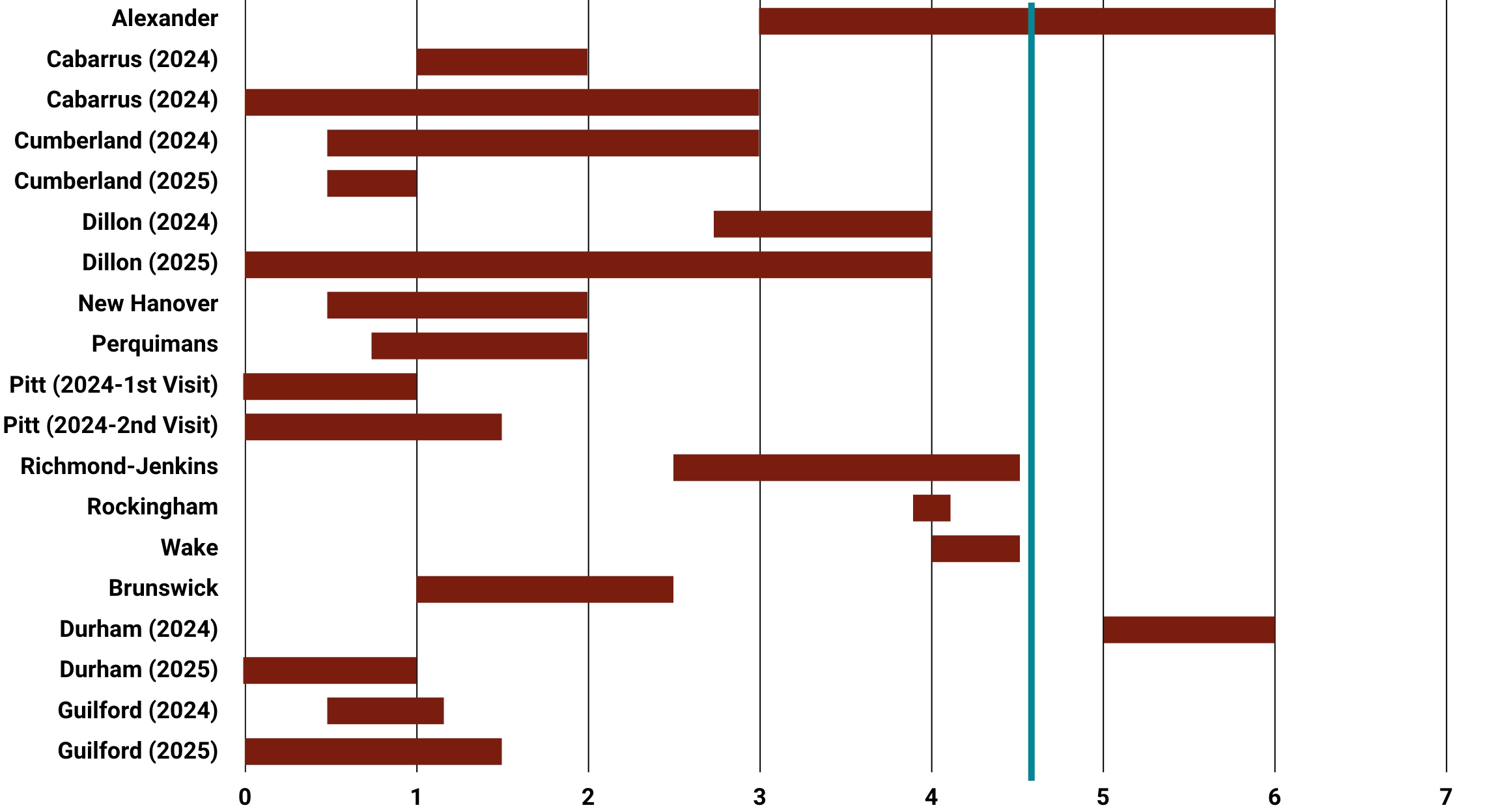
Table: Approximate Instructional Hours by JDC
| Facility Name | Minimum | Maximum |
|---|---|---|
| Alexander | 3 | 6 |
| Cabarrus (2024) | 1 | 2 |
| Cabarrus (2025) | 0 | 3 |
| Cumberland (2024) | 0.5 | 3 |
| Cumberland (2025) | 0.5 | 1 |
| Dillon (2024) | 2.75 | 4 |
| Dillon (2025) | 0 | 4 |
| New Hanover | 0.5 | 2 |
| Perquimans | 0.75 | 2 |
| Pitt (2024-1st Visit) | 0 | 1 |
| Pitt (2024-2nd Visit) | 0 | 1.5 |
| Richmond-Jenkins | 2.5 | 4.5 |
| Rockingham | 4 | 4 |
| Wake | 4 | 4.5 |
| Brunswick | 1 | 2.5 |
| Durham (2024) | 5 | 6 |
| Durham (2025) | 0 | 1 |
| Guilford (2024) | 0.5 | 1.17 |
| Guilford (2025) | 0 | 1.5 |
As shown, only one facility – Alexander JDC – met the state’s minimum educational time requirement, per several – but not all – youths’ reports.
Of the county-operated facilities, Durham County Youth Home (DCYH), is notable for its decrease in educational services offered. During DRNC’s September 2024 monitoring visit, students at DCYH received 5-6 hours of instruction per class day. Class instruction was observed to be robust and engaging. However, when DRNC returned twice in 2025, students reported receiving a maximum of 30-60 minutes of instruction per class day. In a January 2026 letter, DCYH stated that “[e]ducational services are provided by, and are the responsibility of, Durham Public Schools.”
Concerningly, several youth in multiple JDCs received two or fewer hours of school instruction per day. For example, youth at New Hanover JDC reported receiving only 30 minutes to two hours of instruction daily, with much of the instruction being virtual. Youth at Cumberland JDC were concerned about their educational access, with multiple youth reporting only an hour or half an hour of instruction daily.
Even when youth were attending school on a regular schedule, classes were frequently cancelled at some facilities. For example, many youth at Cabarrus JDC reported going to school for just 1.5 hours, two to four days a week, with classes regularly cancelled due to staffing shortages. Classes were sometimes or regularly cancelled at other facilities as well, such as Dillon JDC, New Hanover JDC, Perquimans JDC, and Durham County Youth Home.
At other facilities, including Cumberland JDC and Guilford County JDC, extremely limited time out of cell meant extremely limited time for education. In a January 2026 response letter from Guilford County JDC, the facility stated that Guilford County Schools is responsible for educational services at the JDC. The facility indicated that its school-day model provided for six hours of instruction per school day. However, it was clear that this schedule was not followed at the time of our monitoring visits. The facility also indicated that Guilford County Schools transition coordinators work with youths’ juvenile court counselors to facilitate educational re-entry.
Even though DJJDP policy requires summer instruction in addition to fall and spring instruction, many youth reported having minimal access to summer school in the JDCs. The education that did occur during the summer was mostly credit recovery – the opportunity to earn credits for classes not previously passed – for youth who qualified – or limited enrichment opportunities. During summer monitoring visits to Pitt JDC, Durham County Youth Home, Cabarrus JDC, and Guilford County JDC, some youth reported no regular class schedule or consistent school programming to help them continue their education outside of the traditional school year. During a summer 2025 monitoring visit to Dillon JDC, some youth had rare or irregularly scheduled classes. DRNC heard a notable exception upon visiting Dillon JDC in 2024, where youth attended school even in the summer.
Swift Access to Records for JDC Educational Staff is Critical
Once a youth arrives at a JDC, quick access to their educational records helps educational staff at the facility to meet the youth’s educational needs. Across a range of facilities, youth experienced delays in access to education while waiting for the JDC to receive educational records from their home school. DRNC heard of records not arriving for up to two weeks after a youth’s arrival to the JDC. And multiple youth were not allowed to go to school in a JDC until records had arrived.
Making (or Not Making) Educational Progress
In addition to having appropriate access to instructional hours, it is equally important that those instructional hours are filled with rigorous, relevant, credit-bearing instruction so that youth do not fall behind academically. Without meaningful, credit-bearing instruction, youth become less equipped to re-enter their communities and schools productively.
At Guilford County JDC, a youth reported they could not go to school at all because they did not reside in Guilford County, as Guilford County Schools operates the educational component of Guilford County JDC. This left out-of-county youth missing their general education services, and – if the youth had an Individualized Education Program (IEP) – missing their special education services.
Across all JDCs, the classes youth were taking varied widely. At some facilities, such as Alexander JDC, youth were enrolled in all four core subjects: English Language Arts, Math, Science, and Social Studies. Youth at Rockingham JDC had access to Career and Technical Education (CTE) coursework as well, providing access to career-training electives. At some facilities, youth only took English Language Arts and/or Math – likely putting youth behind for re-entry and course transfer back to their home schools. In at least some facilities, some youth could earn vocational certifications, in addition to traditional educational credits. In other facilities, youth were taking non-core classes during the summer, such as employability skills or vocational skills.
The format of instruction varied among facilities as well. Facilities such as Richmond-Jenkins JDC and New Hanover JDC used a virtual platform with in-person support. Other facilities used a mix of direct and virtual instruction, tablets, packets, and worksheets. The schoolwork in many JDCs was reported to be too easy and included assignments such as multiplication worksheets that did not match the youth’s grade level. Instruction that is not rigorous sets up youth to be behind when they return to their home schools.
Many youth across facilities had positive feedback about the teachers in the facilities.
Several youth at multiple facilities expressed concerns that they were not getting course credits for work completed. This is particularly critical for high school-aged youth who must accumulate credits to graduate from high school. High school graduation is a protective factor against recidivism. Positively, Guilford County JDC maintained a display celebrating youth who had earned their diplomas. Similarly, Brunswick County JDC displayed cap and gown photos for youth who had earned their high school equivalency credential.
Many youth across several facilities did not know how many credits they had earned or how many credits they had left to earn before graduating. Knowing how many credits a youth has can motivate them toward high school graduation.
Access to credit recovery opportunities was unclear, with some youth in some facilities reporting access, and others expressing uncertain or inconsistent access. Credit recovery can be an important tool for helping some youth progress towards high school graduation.
At Pitt JDC, a youth must be in the facility for five of the nine weeks in a grading period to earn credits, placing serious barriers to credit-earning for a population of youth that can be transient. This practice also violates DJJDP Policy FO 8.2 3.1.1 which states that DJJDP’s educational program is designed to allow youth to enroll at any time into the juvenile justice educational program.
High School Equivalency and Post-Secondary Options
It is DJJDP policy (FO 8.2 3.1.1) that students who have not yet earned their high school diploma or equivalent credential are offered instruction in the following areas: English Language Arts, Math, Social Studies, Science, CTE, and special education. DJJDP policy (FO 8.2 3.1) allows for the facilities to support students in obtaining their high school diploma or high school equivalency.
Students must be 16 or older to be considered for a course of study leading to a high school equivalency credential, and students under 18 must have documented parent/legal guardian/custodian consent to enroll in a high school equivalency course of study (DJJDP Policy FO 8.2 3.1.3).
Students who have already earned a high school diploma or its equivalent are “to be engaged in supervised activities during school hours that meet the objectives of: career exploration, skill development and/or enhancement, continuing education/post-secondary education courses, and/or pre-vocational training.” (DJJDP Policy FO 8.2 3.2).
At select DJJDP-operated JDCs (e.g., Perquimans JDC, Rockingham JDC), some youth were working towards a high school equivalency credential. Brunswick County JDC only allowed the option of pursuing a high school equivalency credential. Youth who do not obtain their high school equivalency credential while confined in the JDC have made no high school credit-bearing educational progress if they return to a traditional education program after their release. It was unclear that appropriate parent consent had been obtained for each youth at Brunswick County JDC pushed into the high school equivalency program. In response to educational concerns about Brunswick County JDC raised in this report, the Brunswick County Sheriff’s Office responded via email, stating: “[W]e are working with Brunswick Community College (“BCC”) to ensure compliance with the 1025 hour mandate.” The email did not address the lack of opportunity to earn a traditional high school diploma. All other JDCs allowed youth to work towards earning credits toward a traditional high school diploma.
Having access to relevant and rigorous post-secondary options for youth who have finished high school is important for successful re-entry. Community college coursework was available at some facilities, including Richmond-Jenkins JDC, Cumberland JDC, and Rockingham JDC. Staff at other facilities, like Dillon JDC and Cabarrus JDC, reported that youth had access to college level coursework. Not all JDCs appeared to offer access to community college courses.
Education denied for students on disciplinary cell confinement
Most of the JDCs that used cell confinement for disciplinary purposes denied youth access to instruction from a teacher when on disciplinary cell confinement. These included Alexander JDC, Brunswick County JDC, Cabarrus JDC, Cumberland JDC, Perquimans JDC, Pitt JDC, and Wake JDC. Youth at other JDCs that used cell confinement for disciplinary purposes reported variable or unclear access to instruction for youth on disciplinary cell confinement. Lack of access to education while on disciplinary cell confinement denies students their state-protected educational rights to a sound basic education (Leandro v. State, 346 N.C. 336 (1997)) and denies students with disabilities their right to a free appropriate public education (FAPE) under federal and state law (34 C.F.R. § 300.101(a)).
Recommendations for Education
- DJJDP ensures every JDC follows DJJDP policy requiring at least 4.6 hours of school every school day during the traditional school year and during DJJDP’s summer term.
- DJJDP enforces its policy requiring instruction in all core subjects.
- DJJDP tracks the frequency of class cancellations by facility and requires facilities to provide make-up instruction for cancelled classes.
- DJJDP requires all JDCs to offer robust academic and vocational summer programming.
- DJJDP develops and implements a clear protocol to ensure timely access to records, including access to PowerSchool/Infinite Campus and Every Child Accountability & Tracking System (ECATS) for appropriate educational staff.
- DJJDP implements a policy that ensures all youth can participate in classes even while their JDC is awaiting the receipt of youth records.
- DJJDP requires that all youth, regardless of their county of residence, are able to enroll in classes in county-operated JDCs, without delay.
- DJJDP ensures JDC facility staff review with each youth how many credits they have earned and how many they have left to earn to graduate, as soon as the facility receives their transcript.
- DJJDP requires all core academic coursework at JDCs to be credit-bearing and allows youth to transfer into the JDC’s school at any time and finish credits for any in-progress classes. DJJDP must ensure youth can transfer partial-credit work back to their home school.
- DJJDP ensures that all youth pursuing the high school equivalency pathway have appropriate parent/guardian consent for that pathway, particularly for youth at Brunswick County JDC.
- DJJDP offers a traditional high school diploma pathway to all youth who desire it, including youth at Brunswick County JDC.
- DJJDP offers community college courses to all high school completers in JDCs.
- DJJDP offers honors level coursework to youth in JDCs.
- DJJDP creates an educational re-entry plan for each youth when they are transitioning back to the community or their next placement.
- DJJDP requires that full academic instruction is available to all youth on any form of cell confinement, including disciplinary cell confinement.
Education for Youth with Disabilities
Youth with disabilities in juvenile detention settings have the legal right to the same special education rights and opportunities as students in traditional public school settings. DJJDP is the public agency responsible for providing special education services for students in DJJDP-operated JDCs. In DJJDP-operated JDCs, federal special education law requires DJJDP to identify students with disabilities; develop, review, and revise, as needed, IEPs for students with disabilities; hold regular IEP meetings; provide specialized instruction to allow students with disabilities to make meaningful progress; educate students with disabilities in the least restrictive environment; fully implement their IEPs. [4]
For county-operated JDCs, the education and special education in the facility is most often provided by the local school district in that county. The NC Department of Public Instruction (NCDPI) and DJJDP are working to update their Memorandum of Understanding to clarify which agency or agencies are responsible for special education service provision in county-operated JDCs. In the interim, all the above special education requirements – such as identifying students with disabilities, holding regular IEP meetings, and fully implementing IEPs – must be met for youth in all JDCs, including county-operated facilities.
Providing Special Education Services: Implementing IEPs
DRNC spoke with many youth across facilities who reported they had IEPs. Others were unsure if they had an IEP. In too many facilities, youth who had IEPs received no special education services while in the JDC.
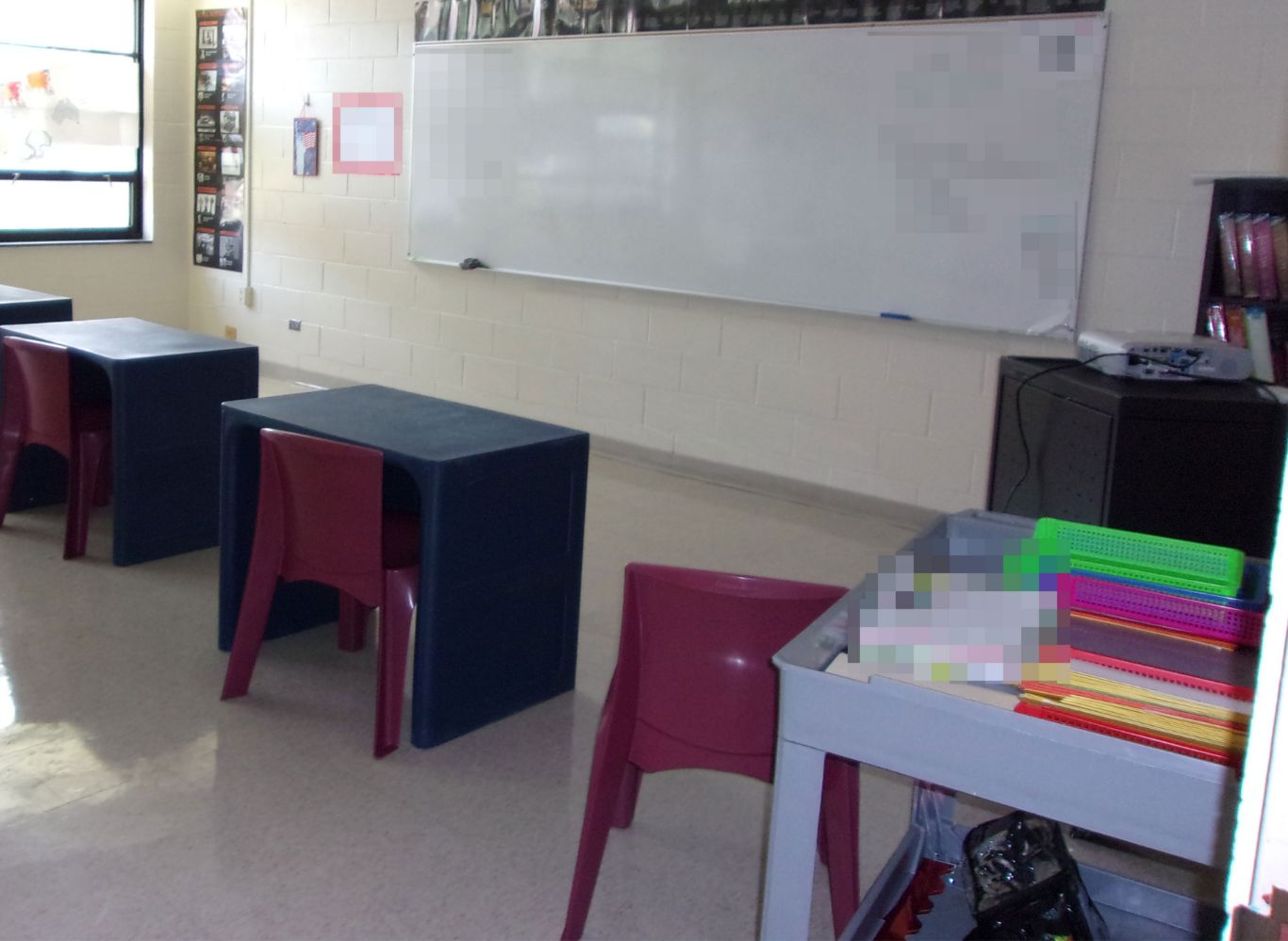
For example, multiple youth with IEPs at Cumberland JDC, New Hanover JDC, and Brunswick County JDC reported that they were not receiving their IEP services. When DRNC monitored at Dillon JDC during the school year, multiple youth similarly reported that their IEPs were not implemented. During a summer monitoring visit to Dillon JDC, at least one youth reported receiving their special education services when school was in session.
In other JDCs, it was unclear whether special education services were provided, and at Cabarrus JDC, the receipt of special education services appeared variable.
On the other hand, IEPs did seem partly or fully implemented at several facilities. Multiple youth at Guilford County JDC received some special education services, with at least one youth receiving special education services every weekday and during the summer. Rockingham JDC also stood out as providing special education services. On a visit to Durham County Youth Home in 2024, special education services appeared to be provided. On one visit to Pitt JDC, special education services seemed to be available upon youth request, as opposed to being offered per a youth’s IEP as federal law requires.
Child Find: Identifying Youth Who Need IEPs
Most JDCs did not appear to have in place procedures to implement “Child Find” — the Individuals with Disabilities Education Act (IDEA) requirement that students with disabilities requiring special education supports be identified, located, and evaluated (34 C.F.R. § 300.111). Some youth interviewed across facilities noted having difficulties with reading, math, attention, and other indicators that they may be a student with a disability qualifying for an IEP. However, not all these students had an IEP.
DRNC did not observe any coherent system of identifying students with disabilities in JDCs. By failing to have a robust Child Find system in place, it is likely that many students with disabilities detained in JDCs remain unidentified and inappropriately supported, setting them up to fail rather than providing them the educational support they need to succeed. It is well known that failing to identify and address children’s educational support needs can result in behavioral problems.
Other Required Actions to Support Students with Disabilities
DJJDP and, for county-operated JDCs, the responsible public agency are required to hold IEP meetings as necessary for youth with IEPs in the JDCs. IEP teams must meet at least annually. IEP meetings are essential to ensure the student receives access to appropriate educational supports and can make meaningful progress. Some youth had IEP meetings while in the JDC; however, based on the number of youth whose IEPs were not being implemented, DRNC has reason to suspect that not all required IEP meetings are occurring.
DJJDP and local school districts are also required to implement the protections of Section 504 of the Rehabilitation Act of 1973. Eligible youth with disabilities receive a Section 504 plan, a plan required under the federal law outlining the accommodations the student needs to succeed in schoolwork. At least one youth’s Section 504 accommodations were not being implemented.
There are significant special education identification and implementation issues at multiple JDCs, and these require intensive investigation, training, and resourcing by DJJDP and NCDPI.
Brunswick County JDC, New Hanover JDC, and Rockingham JDC depict the range of educational and special education services in the JDCs.
Brunswick County JDC
Brunswick County JDC is a county-operated JDC housed in a separate wing of the adult Brunswick County Detention Center. Youth at this JDC reported that they were provided instruction to prepare for the HiSET high school equivalency tests, with no option to pursue a traditional high school diploma. There appeared to be no consideration made for whether this high school completion route was appropriate for students detained at this facility. Youth had positive feedback about the facility’s teacher, but no special education support appeared to be provided.
New Hanover JDC
While materials outlining the schedule for education at New Hanover JDC show school from 9 a.m. – 2:30 p.m., the youth only received education during a fraction of this time, ranging from 30 minutes to 2 hours – much less than what state law and DJJDP policy require. The only means through which students reported receiving education was through the computer program “Edgenuity.” Multiple youth with IEPs were not having their IEPs implemented. Youth with disabilities detained in the facility are seriously undermined by New Hanover JDC’s inadequate educational services.
Rockingham JDC
DRNC’s monitoring revealed that Rockingham JDC appeared to be substantially complying with many IDEA requirements. Youth there received at least four hours of education each day. Students with disabilities were receiving regular and appropriate access to their special education services and supports. Because of the robust educational services provided there, Rockingham JDC can serve as an example of special education provision for other JDCs in the state.
Recommendations for Education for Youth with Disabilities
- DJJDP trains all educational staff at JDCs and DJJDP educational leadership in Child Find.
- DJJDP develops a Child Find protocol to be used and enforced in all JDC facilities.
- All facility special education lead teachers or administrators have access to ECATS (North Carolina’s special education electronic data platform). Upon a youth’s admission and enrollment in school at the JDC, DJJDP policy must require JDC staff to promptly begin the process of assessing whether a youth has an IEP in ECATS and require the JDC staff to verbally ask youth during intake if they have ever had an IEP.
- DJJDP ensures that youths’ IEPs, including any related services such as speech/language therapy, and Section 504 plans be fully implemented in the JDCs.
- DJJDP conducts timely annual review IEP meetings and re-evaluation meetings, as well as timely reevaluations, for youth in JDCs with IEPs.
- For county-operated JDCs, the responsible public agency promptly enrolls out-of-county youth and fully implements any IEPs for those youth.
- For youth who choose to pursue a traditional diploma path at Brunswick County JDC, the responsible public agency requires full implementation of IEPs and all special education legal requirements.
- NCDPI and DJJDP conduct comprehensive monitoring of special education programming in all JDC facilities.
Recreation
DJJDP policies state that youth in juvenile detention centers must receive at least one hour of large muscle activity every day (DJJDP Policy DC 1-3 2.6.1(1)) [5]. The memoranda of agreement between DJJDP and the county-operated facilities state that the staff at county-operated facilities must follow DJJDP’s policies concerning confinement of youth. Large muscle activity – such as basketball, throwing a football, or running – may be indoor or outdoor exercise. Not all JDCs have indoor gyms. In some facilities, only outdoor recreation areas are available.
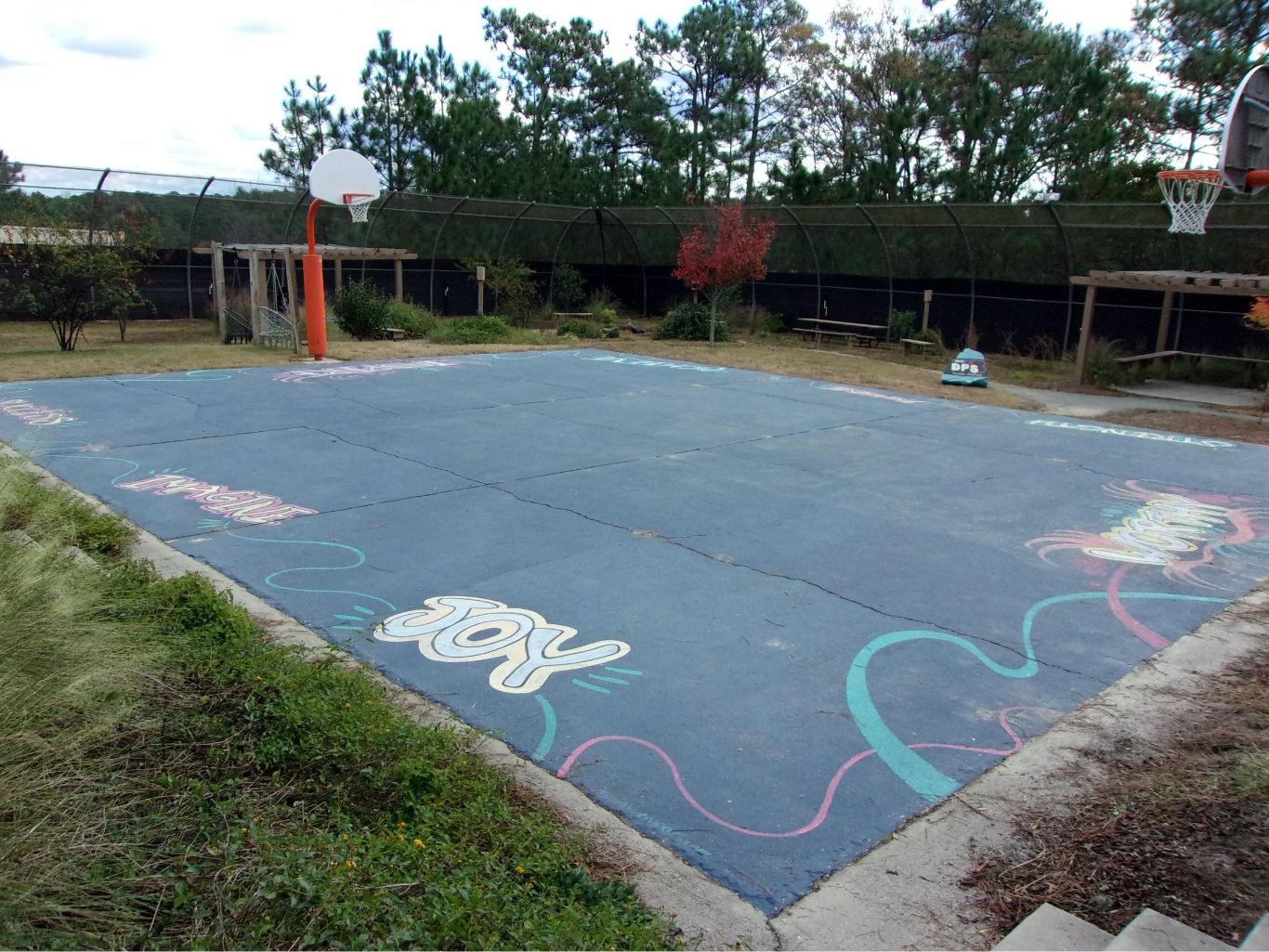
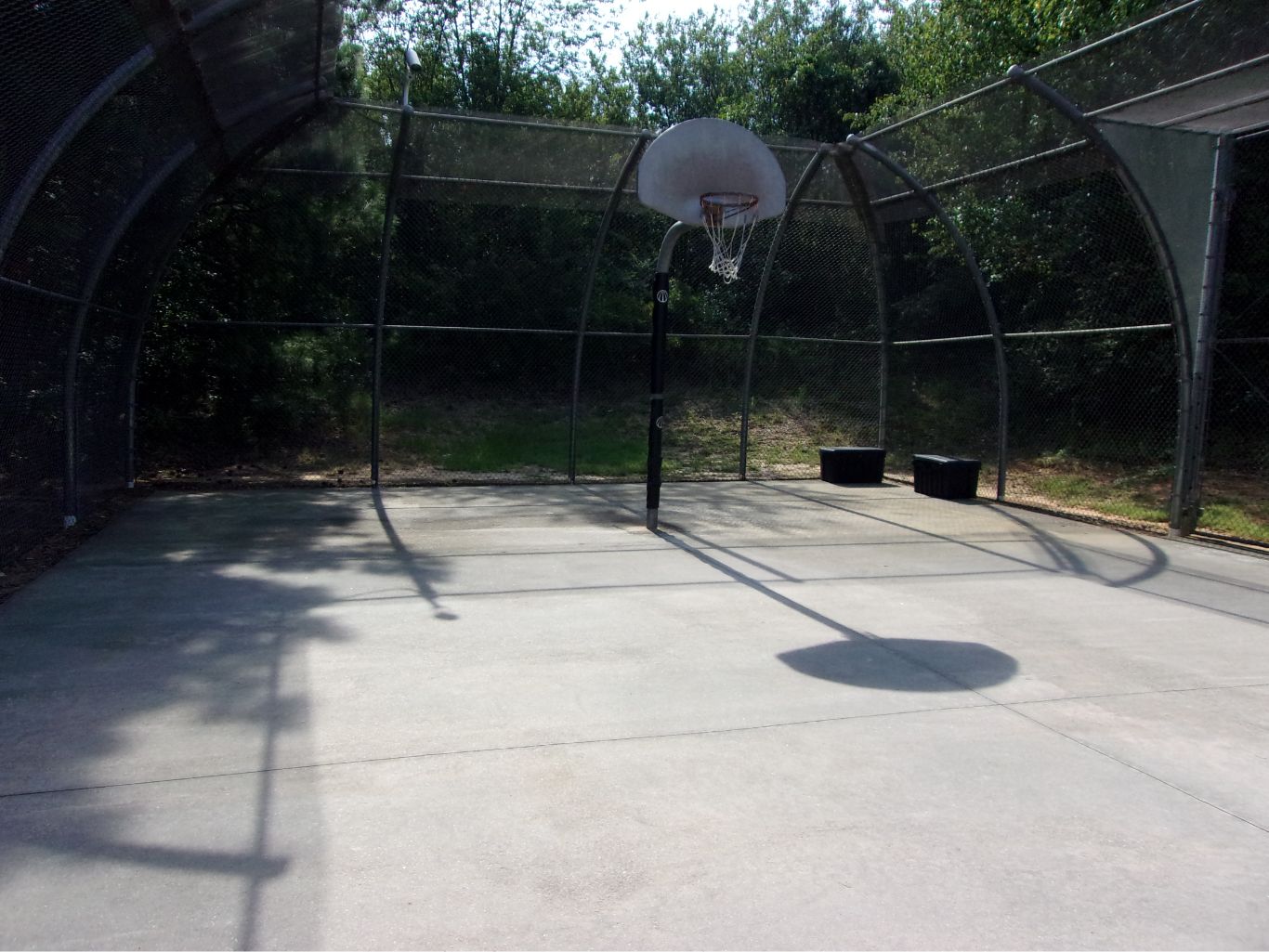
Recreation is beneficial for youths’ physical, social, and mental development. Access to recreation and exercise is rehabilitative. A lack of access to exercise and recreation is a sign that the programming in a juvenile detention center is not appropriately rehabilitative. Lack of access to recreation can also be an indicator of solitary confinement-like conditions.
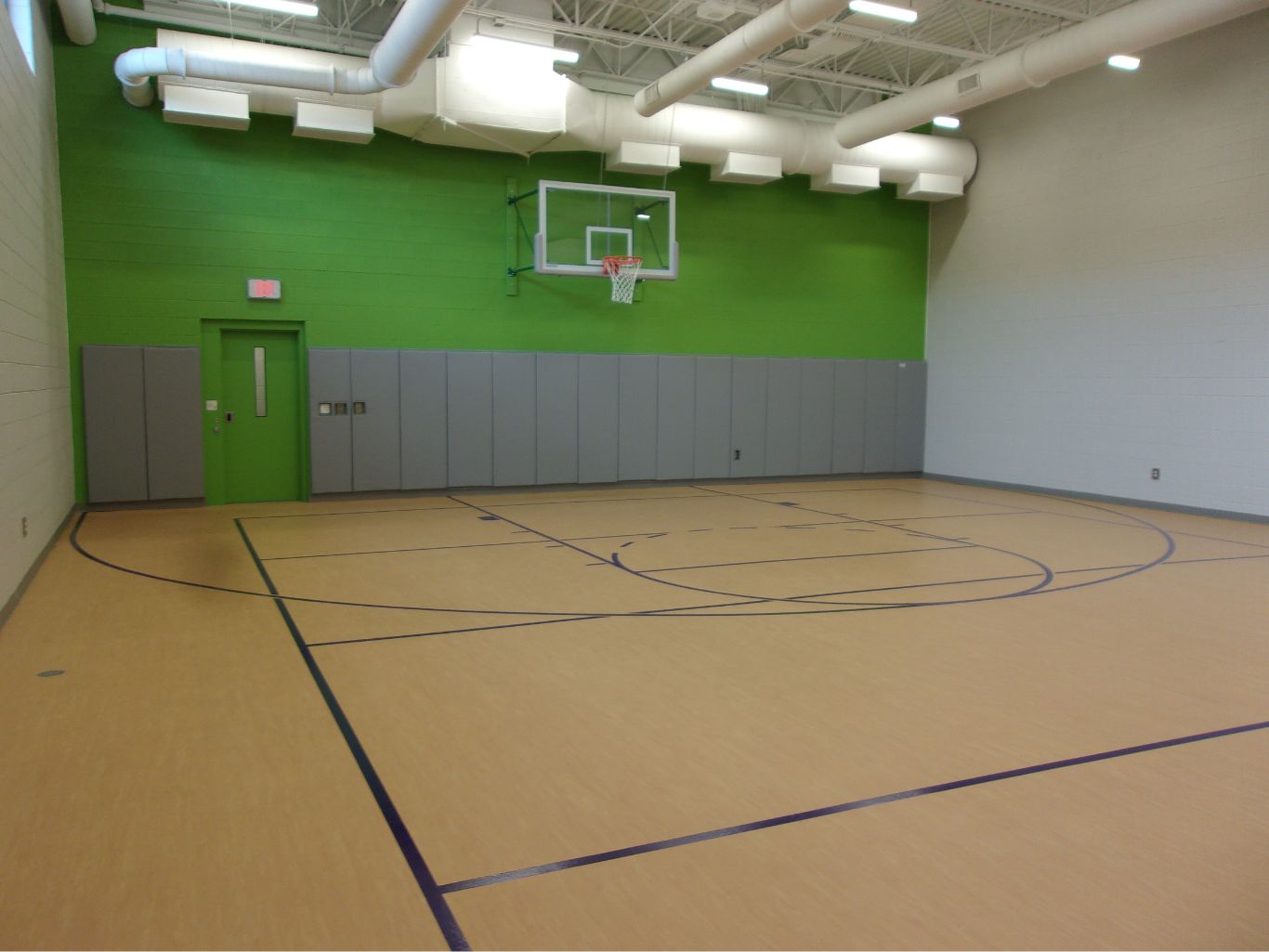
DRNC found that access to recreation varied significantly between the JDCs. Two JDCs were noted to follow the DJJDP requirement, providing daily recreation for an hour or more a day: Alexander JDC and Rockingham JDC.
Brunswick County JDC offered daily, or every other day, access to recreation for up to an hour. Youth at Perquimans JDC reported going outside for recreation either daily, or at least three times per week, for 30 to 60 minutes. Richmond-Jenkins JDC offered daily access to recreation for at least 45 minutes a day. Youth at Guilford County JDC had daily access to recreation for approximately 30-45 minutes. Wake JDC offered regular exercise as well, for unclear duration.
Other JDCs, however, were in more severe violation of DJJDP’s large muscle activity policy. In several facilities, some youth reported minimal access to recreation. For example, youth in two buildings at Cabarrus JDC no longer had regular access to recreation, with some youth sharing they had not been outside for weeks. In the DCYH, youth had minimal access to recreation during the lockdown period. On a follow up monitoring visit to DCYH, youth were going to the gym for approximately 15 minutes on some or most days. (In the previously referenced January 2026 response letter by Durham County Youth Home, the facility stated that it offers youth an hour of recreation daily. This is different from youth reports during DRNC’s 2025 monitoring visits to the facility.) During DRNC’s most recent monitoring visit, youth at Cumberland JDC reported opportunities to go outside only some days – when there was enough staff – and only for 15 minutes.
Access to Outdoor Recreation
While each of the facilities had access to outdoor recreation facilities, the use of these facilities varied. Some youth had access to outdoor recreation daily, while others merely had access on a weekly or bi-weekly basis or even less frequently. At New Hanover JDC, for example, youth went outside an average of two to three times weekly. At Dillon JDC in 2025, youth rarely if ever went outside for recreation, a decrease from a previous monitoring visit.
Recommendations for Recreation
- DJJDP ensures that all JDCs follow DJJDP policy that youth have no less than one hour of large muscle activity every day.
- DJJDP ensures that all DJJDP-operated and county-operated facilities allow all youth regular access to the outdoors and outdoor recreation.
Access to Medical and Mental Health Care
During DRNC’s monitoring visits, DRNC saw both positive examples and areas that needed improvement in how medical and mental health care were provided. Our findings show where things were working well and where necessary changes can make a big difference in the quality and consistency of care to help ensure rehabilitation for young people and successful re-entry to their communities.
Importantly, DRNC saw significant variation in the reported mental health of youth. Several children had significant mental health challenges, including self-harm and suicidal ideation. Excessive cell time in some facilities was noted to lead to mental health problems for some of the youth. Other children reported satisfactory mental health.
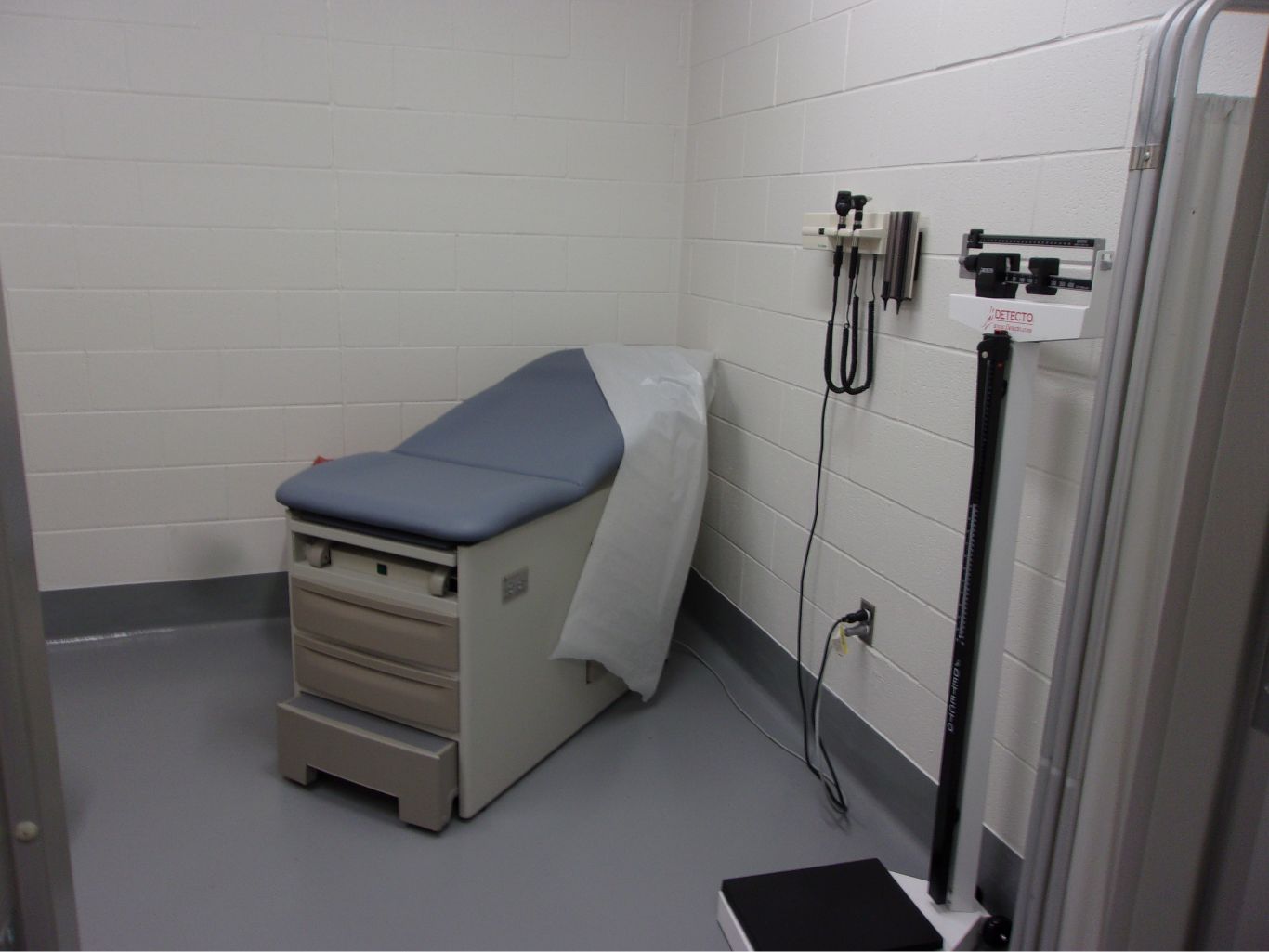
Promising Practices in Health Care Provision
Some JDCs were doing well in meeting youth medical needs. Facilities such as Alexander JDC, Pitt JDC, Rockingham JDC, Perquimans JDC, Richmond-Jenkins JDC, Brunswick County JDC, Durham County Youth Home, and Cumberland JDC stood out as having few or no youth-reported concerns about access to medical care. Rockingham JDC received praise for attentive and responsive care.
A positive finding of DRNC’s monitoring was, although with exceptions, youth in facilities generally had access to a therapist, yet the frequency of that access varied. Some youth had access to a therapist multiple times a week. Youth at Cabarrus JDC reported daily to monthly access to a therapist. Some youth at Cumberland JDC reported up to daily access to a therapist, though others at the same facility reported no access to a therapist. Youth at Pitt JDC had access to a therapist up to multiple times a week; this was the case at Richmond-Jenkins JDC as well. At Guilford County JDC, several youth reported having access to a therapist, up to daily. As much as daily therapist access was also available at Rockingham JDC. Facilities like Rockingham JDC and Wake JDC utilized partnerships with groups like Easter Seals and Haven House to bring in extra services and trauma-informed care.
Challenges in Health Care Provision
In other facilities, like New Hanover JDC, youth expressed delayed access to medical care and medications. Additionally, some youth at New Hanover JDC reported not having regular bathroom access during their menstrual cycle.
Several youth at Durham County Youth Home expressed having no access to a therapist during the facility’s lockdown. Access to a therapist was mostly restored after the lockdown ended, at a frequency of up to twice weekly.
Also, during our 2024 monitoring visit to Cumberland JDC, youth reported having therapy sessions conducted through their closed cell doors, raising privacy concerns.
Further, in some facilities, responses to youth in crisis appeared inappropriate or punitive, such as isolating youth in suicide watch cells or other single cells. At Durham County Youth Home, youth on suicide watch were placed in solitary confinement in the Hole, allegedly at the direction of mental health providers. At Pitt JDC and Cumberland JDC, DRNC observed or heard of other suicide watch protocols that did not appear to be trauma-informed because they relied on isolation or practices that did not promote physical or psychological safety.
Recommendations for Medical and Mental Health Care
- DJJDP establishes medication protocols to ensure no gap in youth receiving prescribed medications.
- DJJDP provides appropriate bathroom access for menstruating youth.
- DJJDP conducts a comprehensive review of its suicide watch policies and practices, and revises them to be trauma-informed. Punitive responses to suicidal ideation do not belong in these policies.
- Durham County Youth Home ceases using the Hole for suicide watch or any other purpose.
- DJJDP ensures all JDCs provide regular access to a therapist, in a confidential setting, for all youth.
- DJJDP prohibits the use of solitary confinement in all JDCs.
Family Contact
Youth in JDCs should have access to regular visitation, mail, and phone calls with family (see DJJDP Policy DC 1-3 2.7-2.8). The JDCs, both DJJDP- and county-operated, have varying policies around visitation, mail, and telephone use. Yet, despite the variation, most facilities provide robust access to family contact, when not limited due to lockdown or other reasons.
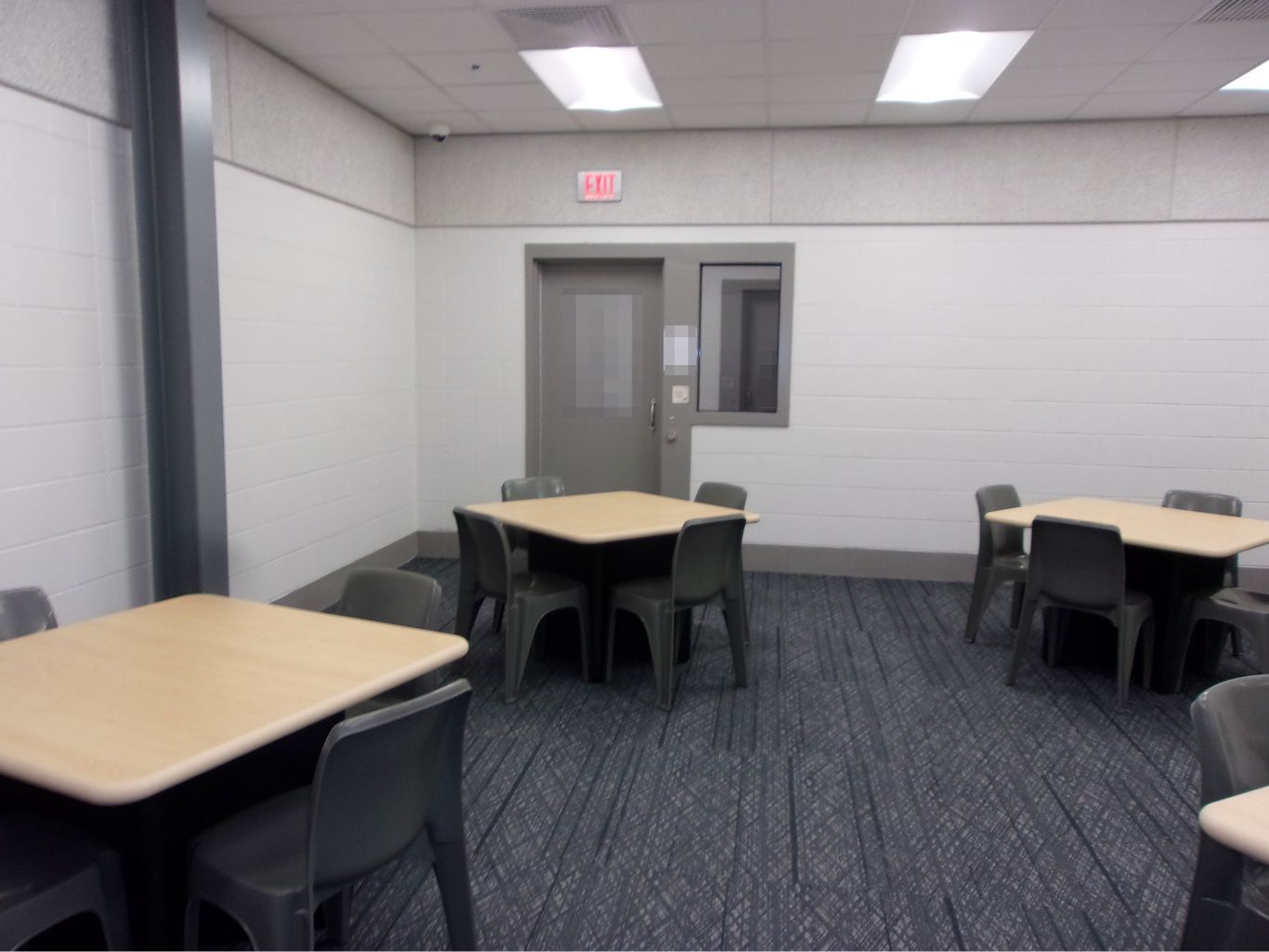
Visitation
Per DJJDP Policy DC 1-3 2.8.3, opportunities for visitation must occur at least twice weekly. Positively, all DJJDP- and county-operated facilities provided access to regular visitation, with facilities often having set days for in-person visits and/or ways to set up virtual visits. Youth generally had weekly or twice weekly visitation opportunities. Several youth at Dillon JDC had visits only once every two weeks. Family visits most often ranged from 30 minutes to an hour on set days. Some youth were confused about the availability of visits.
By DJJDP policy (DC 1-3 2.8.3(7)), youth in temporary room confinement are prohibited from having visitation.
One of the most problematic practices that DRNC learned of when speaking with youth is the use of strip-searches after youth have in-person visits. DJJDP Policy DC 1-3 2.8.10 requires strip searches after all visitation. Some youth avoided in-person visits because they did not want to experience the trauma of a strip-search as a result of spending time with their families. One facility even placed youth on temporary room confinement if they refused to consent to a search after a visit. (Youth at Durham County Youth Home also reported random strip searches during the week, separate from the visitation policy.)
According to the American Bar Association, strip searches should be used only on a very limited basis and under very specific individualized circumstances, not as a regular policy or practice. It is widely known and recognized that strip searches for children and youth are traumatizing and dehumanizing.
Phone Calls
Per DJJDP Policy DC 1-3 2.7, each JDC must establish procedures to ensure equal access to phone calls, which must be placed and supervised by staff but not monitored by staff. At all but one DJJDP-operated facility, youth had access to daily phone calls. At Cabarrus JDC, youth had access to twice weekly calls, with additional call privileges available to be earned. For the most part, the length of phone calls in DJJDP-operated facilities correlated with a youth’s behavior. Youth could earn increases to their phone call times as an incentive or reward for positive behavior. Phone calls ranged from as little as 3 to as many as 20 minutes daily.

Family contact varied at county-operated facilities. Brunswick County JDC offered youth tablets from which they could make phone calls as often as they wanted. At Guilford County JDC, youth could have two to three phone calls per week. According to a January 2026 letter from Guilford County JDC, youth are now able to access “unlimited phone calls to court-approved parents or guardians between 3:00 PM and 9:00 PM each day.” At Durham County Youth Home, some youth reported access to phone calls twice weekly while others reported having no phone calls.
Youth at all facilities generally had access to letter writing materials and were able – pursuant to DJJDP Policy DC 1-3 2.7(4) – to send mail to and receive mail from approved contacts.
Recommendations for Family Contact:
- DJJDP ends mandatory strip searches after visitation unless specific and individualized exceptions are met and documented.
- DJJDP ensures that all youth know the facility policies concerning visitation, phone calls, and mail as part of the intake process for each facility, and enforces those policies.
- DJJDP requires that all JDCs make telephone calls available to youth on a daily basis to increase likelihood of successful re-entry and kinship supports after detention.
Nutrition
Access to healthy, nutritious meals is vital for all youth. All youth in JDCs are adolescents in a prime stage of growing and developing, making nutrition critically important. DRNC asked about food quality and quantity in the majority of our interviews with youth. As with other of our monitoring focus areas, responses revealed wide variations among facilities.
Most JDCs served three meals a day with two snacks. Youth in some facilities reported getting enough to eat, while other youth did not get enough food or were hungry at points in the day. In response, several JDCs reported that they had to follow strict nutritional requirements for breakfast and lunch. However, some facilities demonstrated flexibility with portions for dinner or operated a canteen system through which youth were able to buy additional snacks using behavior incentive points.
In addition to concerns about food quantity, there were concerns about the quality of food across several facilities. Some of the more frequent concerns included spoiled milk and under-cooked food.
One positive nutritional standout was Alexander JDC, where youth generally had few complaints about the food and felt they received enough to eat.
Recommendations for Nutrition:
- DJJDP establishes protocols and enforcement mechanisms to eliminate food quality concerns that raise safety issues, such as undercooked meat and spoiled milk.
- DJJDP shares practices used by JDCs that have successfully addressed food quantity concerns with other JDCs and ensures young people receive sufficient nutrition.
Overall Trends
North Carolina’s youth in juvenile detention centers deserve the opportunity of a supportive, rehabilitative environment that equips them with the skills they need to re-enter their communities in productive and successful ways.
The biggest theme that emerged during DRNC’s monitoring initiative was the significant variation between JDC facilities in the state. The 14 JDCs that DRNC monitored varied widely in the provision of rehabilitative environments, ranging from those that stand out positively to those with highly concerning practices detrimental to youth well-being, including those leading to the closure of Madison County’s JDC.
This report highlights the range of environments present in the JDCs, as observed and reported to DRNC between July 2024 and August 2025, in the areas of time in cell, discipline, education, special education, recreation, medical/mental health care, family contact, and nutrition.
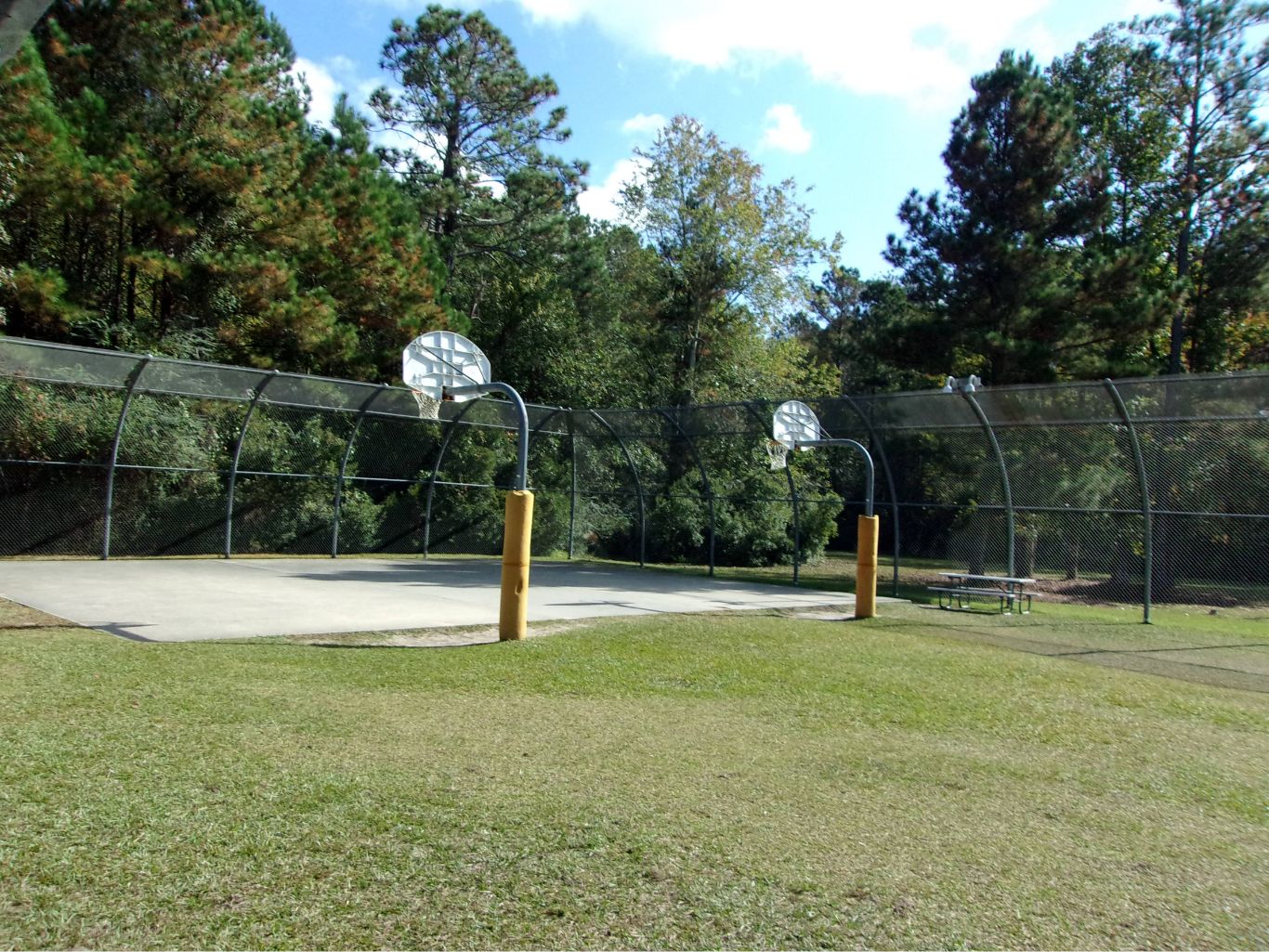
DRNC has particularly severe concerns about the amount of time many youth spend in their cells, some of which rises to the level of solitary confinement; harsh disciplinary practices practiced in some JDCs; and failures in education/special education at certain facilities.
DRNC raised concerns and made recommendations to facility leadership following each monitoring visit. For facilities operated by DJJDP, DRNC included DJJDP leadership in our debriefings. During these meetings, DJJDP leadership and some facility leadership seemed receptive to DRNC’s reports and recommendations. A partial list of positive steps DJJDP leadership reported to DRNC include: 1) creation of Quality Assurance positions to be hired for each DJJDP-operated facility, 2) incorporation of student surveys into facility monitoring by DJJDP, and 3) addressing physical facility conditions at Pitt JDC.
In addition, DJJDP’s Deputy Secretary, William Lassiter, responded in a letter to additional questions DRNC posed to the Division in December 2025, and the three county-operated JDCs (Brunswick County JDC, Durham County Youth Home, and Guilford County JDC) responded to questions DRNC posed to each facility. Where aligned with the content in this report, we have included their responses.
Positively, DJJDP and each facility in their responses shared that they had efforts in place to support youth re-entry. Supported, successful re-entry is critical for youth and community well-being and for decreasing recidivism. DJJDP shared that it has secured grant funding from the federal Office of Juvenile Justice and Delinquency Prevention to support youth re-entry, including one grant to “deliver a data-driven evaluation of North Carolina’s juvenile reentry system to identify gaps and strengthen services for youth returning to their communities.” Brunswick County JDC reported that Brunswick Community College provides a 100-hour re-entry pre-release program for youth who have completed the high school equivalency program. Guilford County JDC reported in a letter that youth in both the juvenile and adult court systems have access to various re-entry supports, including an employment collaboration and a workforce readiness partnership for youth in the adult court system. Durham County Youth Home reported that it has a Resources for Youth Success and Empowerment (RYSE) Assessment Center that serves youth in the detention center and in the community; through the RYSE Assessment Center, youth in the detention center “receive supportive services such as life skills training and discharge planning to promote successful reintegration into society and help prevent recidivism.” DRNC commends these re-entry efforts and urges increased investment in programs and practices that successfully support youth re-entering their communities.
A summary of recommendations for DJJDP and North Carolina’s DJJDP- and county-operated JDCs is below. These recommendations are intended to create a rehabilitative environment for youth and promote the public safety of North Carolina’s communities.
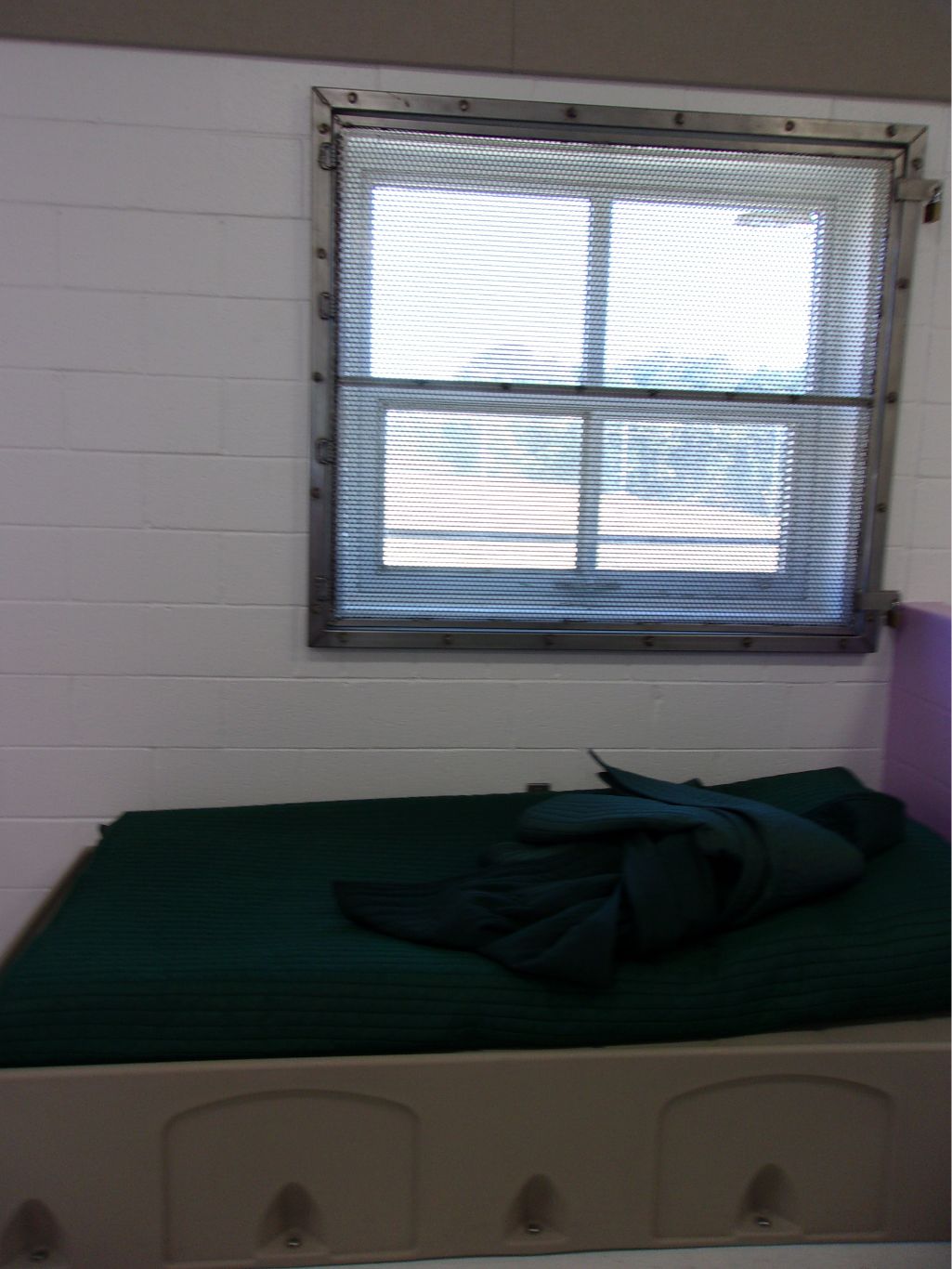
DRNC Recommendations
Facility Physical Conditions
- DJJDP and facility staff thoroughly clean and maintain each JDC facility interior and exterior on a scheduled basis. In a response to concerns this report raised, DJJDP Deputy Secretary William Lassiter sent a letter to DRNC and said DJJDP is seeking funding from the NC General Assembly for 13 additional “maintenance staff, tools and equipment to address critical needs and optimize operational efficiency across regional facilities, including youth development centers, juvenile detention centers and Multipurpose Group Homes.”
- Facility staff use window flaps on cell windows only as needed and requested by youth for their privacy.
Time Out of Cell
- All North Carolina JDCs immediately cease allowing solitary confinement, regardless of the name or terminology used to describe the practice of isolating youth in their cells for more than 22 hours per day.
- The North Carolina General Assembly affirmatively bans the use of solitary confinement for youth in JDCs statewide.
- DJJDP intervenes intensively at Cumberland JDC, Durham County Youth Home, Cabarrus JDC, Dillon JDC, and Guilford County JDC to substantially increase time out of cell.
- DJJDP conducts monthly in-person monitoring of the facilities above to ensure significant, consistent progress towards increasing time out of cell.
- DJJDP creates a policy that time out of cell is the expectation during waking hours. The policy must require at least 12 hours out of cell per day.
- DJJDP examines JDC facilities where youth report spending a greater amount of time out of cell (high out-of-cell time facilities) and shares best practices and effective policies with other JDC facilities. High out-of-cell time facilities demonstrate that JDCs can be operated in more rehabilitative and humane ways.
- DJJDP requires structured programming at all JDCs during the day by staff, including the following program areas: education, recreation, and appropriate mental health supports. If grouping is needed to ensure safety, group to maximize time out of cell.
- DJJDP prohibits the use of flaps that cover cell windows unless a youth requests the flap for privacy.
- DJJDP revises any facility admission policy that requires quarantining, except where necessary for public health (such as confirmed measles exposure).
- DJJDP requires all JDC facilities to provide meals on the pod, rather than in cells.
- DJJDP creates a public dashboard detailing the number of youth being held in their cells for more than 22 hours a day daily, by facility.
- DJJDP terminates contracts with county facilities not adhering, within strict deadlines, to DJJDP policies concerning youth confinement.
- The North Carolina General Assembly provides adequate funding for DJJDP to allow increased wages for all facility positions to reduce vacancy rates and ensure high quality staff dedicated to supporting system-involved youth.
Youth Discipline
- DJJDP bans solitary confinement as discipline or punishment in all juvenile facilities.
- DJJDP bans the use of cell confinement as discipline, instead limiting cell confinement to the standard outlined in DJJDP’s policy – only as needed until a youth regains behavioral control, and never more than two hours.
- DJJDP develops a policy guaranteeing youth on any form of cell confinement access to education, mental health services, phone calls, and large muscle movement daily. Youth on cell confinement should also have access to visitation.
- DJJDP must urgently stop the Durham County Youth Home’s use of the Hole for any purpose.
- DJJDP bans the practice of extended handcuffing or shackling youth by the ankles as a response to behavior.
- DJJDP requires development and implementation of robust positive behavior incentive structures in all DJJDP-operated JDCs and county-operated JDCs. DJJDP should regularly conduct in-person monitoring of these facilities to ensure compliance with these vital structures that promote rehabilitation and youth, staff, and public safety.
- DJJDP reports all serious occurrences – such as physical or mechanical restraints, prone restraints, and the use of solitary confinement-like conditions for more than two hours in response to behaviors – in a database for a third party to review with the goal of reducing such incidents over time.
Education
- DJJDP ensures every JDC follows DJJDP policy requiring at least 4.6 hours of school every school day during the traditional school year and during DJJDP’s summer term.
- DJJDP enforces its policy requiring instruction in all core subjects.
- DJJDP tracks the frequency of class cancellations by facility and requires facilities to provide make-up instruction for cancelled classes.
- DJJDP requires all JDCs to offer robust academic and vocational summer programming.
- DJJDP develops and implements a clear protocol to ensure timely access to records, including access to PowerSchool/Infinite Campus and Every Child Accountability & Tracking System (ECATS) for appropriate educational staff.
- DJJDP implements a policy that ensures all youth can participate in classes even while their JDC is awaiting the receipt of youth records.
- DJJDP requires that all youth, regardless of their county of residence, are able to enroll in classes in county-operated JDCs, without delay.
- DJJDP ensures JDC facility staff review with each youth how many credits they have earned and how many they have left to earn to graduate, as soon as the facility receives their transcript.
- DJJDP requires all core academic coursework at JDCs to be credit-bearing and allows youth to transfer into the JDC’s school at any time and finish credits for any in-progress classes. DJJDP must ensure youth can transfer partial-credit work back to their home school.
- DJJDP ensures that all youth pursuing the high school equivalency pathway have appropriate parent/guardian consent for that pathway, particularly for youth at Brunswick County JDC.
- DJJDP offers a traditional high school diploma pathway to all youth who desire it, including youth at Brunswick County JDC.
- DJJDP offers community college courses to all high school completers in JDCs.
- DJJDP offers honors level coursework to youth in JDCs.
- DJJDP creates an educational re-entry plan for each youth when they are transitioning back to the community or their next placement.
- DJJDP requires that full academic instruction is available to all youth on any form of cell confinement, including disciplinary cell confinement.
Education for Youth with Disabilities
- DJJDP trains all educational staff at JDCs and DJJDP educational leadership in Child Find.
- DJJDP develops a Child Find protocol to be used and enforced in all JDC facilities.
- All facility special education lead teachers or administrators have access to ECATS (North Carolina’s special education electronic data platform). Upon a youth’s admission and enrollment in school at the JDC, DJJDP policy must require JDC staff to promptly begin the process of assessing whether a youth has an IEP in ECATS and require the JDC staff to verbally ask youth during intake if they have ever had an IEP.
- DJJDP ensures that youths’ IEPs, including any related services such as speech/language therapy, and Section 504 plans be fully implemented in the JDCs.
- DJJDP conducts timely annual review IEP meetings and re-evaluation meetings, as well as timely reevaluations, for youth in JDCs with IEPs.
- For county-operated JDCs, the responsible public agency promptly enrolls out-of-county youth and fully implements any IEPs for those youth.
- For youth who choose to pursue a traditional diploma path at Brunswick County JDC, the responsible public agency requires full implementation of IEPs and all special education legal requirements.
- NCDPI and DJJDP conduct comprehensive monitoring of special education programming in all JDC facilities.
Recreation
- DJJDP ensures that all JDCs follow DJJDP policy that youth have no less than one hour of large muscle activity every day.
- DJJDP ensures that all DJJDP-operated and county-operated facilities allow all youth regular access to the outdoors and outdoor recreation.
Medical and Mental Health Care
- DJJDP establishes medication protocols to ensure no gap in youth receiving prescribed medications.
- DJJDP provides appropriate bathroom access for menstruating youth.
- DJJDP conducts a comprehensive review of its suicide watch policies and practices, and revises them to be trauma-informed. Punitive responses to suicidal ideation do not belong in these policies.
- Durham County Youth Home ceases using the Hole for suicide watch or any other purpose.
- DJJDP ensures all JDCs provide regular access to a therapist, in a confidential setting, for all youth.
- DJJDP prohibits the use of solitary confinement in all JDCs.
Family Contact
- DJJDP ends mandatory strip searches after visitation unless specific and individualized exceptions are met and documented.
- DJJDP ensures that all youth know the facility policies concerning visitation, phone calls, and mail as part of the intake process for each facility, and enforces those policies.
- DJJDP requires that all JDCs make telephone calls available to youth on a daily basis to increase likelihood of successful re-entry and kinship supports after detention.
Nutrition
- DJJDP establishes protocols and enforcement mechanisms to eliminate food quality concerns that raise safety issues, such as undercooked meat and spoiled milk.
- DJJDP shares practices used by JDCs that have successfully addressed food quantity concerns with other JDCs and ensures young people receive sufficient nutrition.
Internal & External Monitoring and Accountability
- DJJDP leadership visit each facility and speak with youth and staff at each facility at least twice per year.
- DJJDP continues to fill Quality Assurance positions at each DJJDP-operated facility.
- DJJDP works with an external monitoring entity to monitor JDCs, much as the NC Division of Health Service Regulation does for county jails.
- DJJDP adopts the Juvenile Detention Alternatives Initiative juvenile detention facility standards, or a similar measure.
- DJJDP is strongly encouraged to have an internal conference whereby JDC facilities’ leadership share positive practices and improvement practices in the areas noted in this report.
Re-entry
- DJJDP expands its re-entry focus to explicitly include youth in JDCs, in cooperation with internal and external stakeholders including youth and families.
- DJJDP embeds, throughout DJJDP policies and practices, practices that prepare youth for eventual return to their communities.
County-Operated Facilities
- DJJDP ensures robust monitoring at least quarterly by DJJDP staff that includes, at minimum, speaking with youth about education, cell confinement, discipline, recreation, and access to family contact.
- DJJDP ceases contracting with county-operated facilities in the event of significant policy violations.
- DJJDP revises its Memoranda of Agreement for county-operated facilities to specifically ban solitary confinement.
Footnotes
[1] NC DJJDP and many other juvenile justice organizations reference the places where youth are held in detention as “rooms.” However, with one exception, all of the “rooms” in NC JDCs are actually what a member of the general public would refer to as, and see as, cells. Photographs accompanying this report illustrate this. For the purposes of this report, DRNC will use the term “cell” in order to reflect the conditions NC youth are held in at JDCs.
[2] See also The Use of Solitary Confinement on Youth.
[3] See also The Use of Solitary Confinement on Youth.
[4] See Individuals with Disabilities Education Act (IDEA), 20 USC § 1400 et seq; 34 CFR § 300 et seq.
[5] Per DJJDP Policy DC 1-3 2.6.1(3), recreation may be restricted or modified due to behavior, medical issues, or weather.


